

























































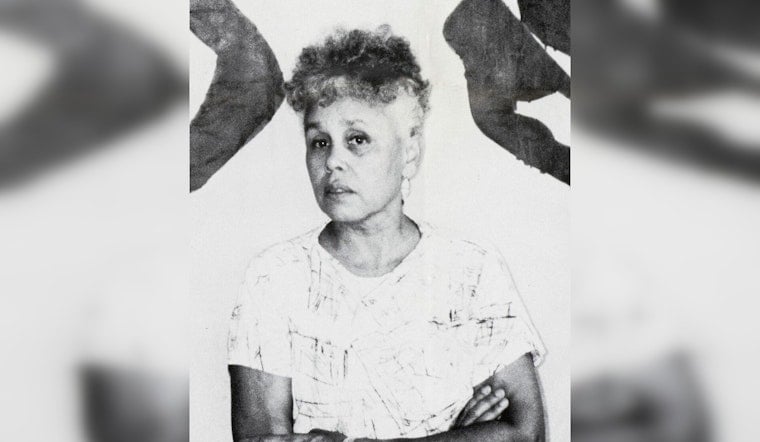
cis turning 100 and still heading up the hill to her Laurel Canyon studio most mornings, settling in with watercolors and boxes of found objects that might become her next piece. The longtime Angeleno has built a career out of hunting, sorting, and stitching together discarded materials, a practice that has quietly but firmly shifted how museums think about race and craft. Instead of polishing a legacy, Saar prefers to keep her hands busy, making new work for the sheer pleasure of making.
As reported by the Los Angeles Times, Saar starts her day in a bright room in her Laurel Canyon home, keeping to a steady studio routine even as she approaches her centennial on July 30. Behind the scenes, friends and family are digitizing decades of sketchbooks, playbills, and ledgers so that future researchers can trace how costume work and everyday objects have threaded through her art over seven decades.
Why 'Liberation of Aunt Jemima' Still Matters
Her 1972 assemblage The Liberation of Aunt Jemima, which arms a stereotypical mammy figure with a rifle and a hand grenade, remains one of her most dissected pieces and a landmark of political assemblage art. The Museum of Modern Art notes how Saar used bits of found ephemera to flip derogatory imagery into sharp commentary on power and identity.
Activists and scholars have long argued that the work helped open up new conversations about Black womanhood, and activist Angela Davis has credited Saar’s art with helping to catalyze the Black women’s movement. Coverage in The Guardian has echoed that impact, tracing how the piece unsettled familiar racist tropes. Institutional records at the National Gallery of Art underline how museums have come to position Saar at the center of 20th-century American art histories.
Archive and Institutions
The Getty Research Institute acquired Saar’s papers in 2018 as the first major move in its African American Art History Initiative, which is designed to open artists’ archives to scholars and the public. The acquisition has helped fuel new cataloguing and scholarship around Saar’s wearable art, jewelry and work for the stage.
Centennial Exhibitions Around L.A.
Across Los Angeles, institutions are quietly building out a centennial moment. At Roberts Projects, the exhibition “Let’s Get It On: The Wearable Art of Betye Saar” highlights costume designs, garments and jewelry from Saar’s early years, when she was testing how art might literally be worn on the body. Over in San Marino, the Huntington is showing her site-specific commission Drifting Toward Twilight through November 30, 2027, giving Angelenos a long runway to spend time with a large-scale installation conceived by the artist.
Still Making, Not Resting
“That’s what art is,” Saar told the Los Angeles Times, “making something where there was nothing.” It is a line that neatly sums up her day to day life in the studio, where small, steady acts of assembling, sketching and repurposing have mattered more than any single award or retrospective.
What Angelenos Should Know
Saar graduated from UCLA in 1949 and has remained firmly rooted in Los Angeles even as her work has traveled to collections around the world. In a city that prides itself on reinvention, her 100th year reads less like a final chapter and more like a reminder that the studio, and the daily grind of making, is still where artistic life in Los Angeles really happens.





