

























































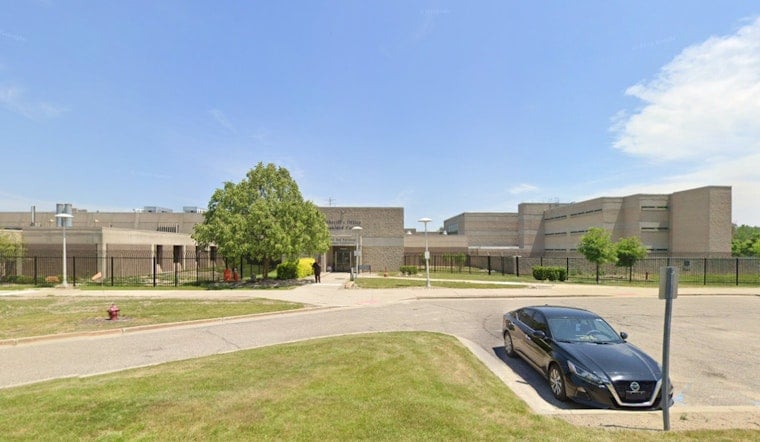
Ben Blostein died by suicide in the Oakland County Jail on March 1, 2024, after spending weeks in the jail's high-security MX1 unit, according to his family and records they cite. He had been booked in January following what relatives describe as a mental health crisis, and his death, along with the brief psychiatric care that preceded it, is now at the center of a federal lawsuit and broader questions about how the county handles people in crisis. Advocates say the case spotlights a long-running tension between jail security and the medical needs of people behind bars.
According to reporting by the Detroit Free Press, Blostein was booked into the jail on Jan. 12, 2024, on multiple charges and held on a $1 million bond. Jail logs and court filings reviewed by the paper show he was classified in MX1 and spent 48 days there, leaving his cell just 10 times before his death. The Free Press reports his first psychiatric evaluation inside the jail was a 26-minute video visit on Feb. 23. According to that reporting, Blostein's parents filed a federal lawsuit in October 2024 alleging that the jail's housing decisions and mental health care were inadequate.
Short Telehealth Checks Inside Solitary-Like Housing
Five national experts who reviewed records related to the case told the Free Press that Blostein's time in MX1 effectively meant solitary-like conditions. One expert wrote that "the observed cell communication hardly constitutes meaningful human contact," according to the Detroit Free Press. The paper identifies Easterseals MORC as the psychiatric provider assigned to the jail at the time and reports that the organization told investigators appointments for acute issues were normally scheduled within 24 to 48 hours. In its review, the Free Press links short telepsychiatry visits, extended isolation, and the jail's vendor relationships, including commissary and food contracts, as part of the backdrop critics say contributed to the tragedy.
County Partners and What Official Records Show
Oakland County's behavioral health network and the sheriff's corrections division share responsibility for how people in crisis are routed, and county materials describe coordination between the jail and local crisis services. The county's community behavioral health site, Oakland Community Health Network, outlines crisis response capacity and diversion programs that are intended to keep people out of jail when possible. The Oakland County Sheriff's Office website details the jail's custody role and corrections policies, documents that attorneys and advocates say will likely be central if the Blostein family's lawsuit moves into full discovery.
National Context: Why Isolation Matters
National studies and watchdog groups have found that suicide is a leading cause of death in local jails and that isolation can heighten suicide risk, which makes the circumstances of Blostein's confinement especially troubling to experts. The research organization Prison Policy Initiative has documented how jails across the country hold large numbers of people with serious mental illness and how custody conditions can worsen their vulnerability. Advocates say that a wider context helps explain why many families push for more diversion to hospitals and crisis centers instead of incarceration when someone is in acute psychiatric distress.
Legal Fallout and Oversight Questions
Blostein's parents, Barb and Joel Blostein, call their son's death "completely pointless and preventable" and have sued the county and jail staff in federal court, alleging failures in monitoring and treatment. The lawsuit, along with the records cited by reporters, raises specific oversight questions about how quickly people in crisis receive in-person evaluations, how often they are observed, and how custody classifications like MX1 are made. County officials have not admitted any wrongdoing. The civil case is pending and could move into discovery in the coming months.
What Comes Next
Attorneys and jail-conditions experts say likely next steps include depositions, internal record reviews and public records requests that could shed light on staffing levels, vendor contracts and clinical decision-making inside the facility. Local advocates hope the case will speed up investment in crisis-center capacity and other alternatives that keep people with severe mental illness out of secure jail housing whenever that is an option. For Oakland County residents, the Blostein case underscores a stark policy choice: treat psychiatric emergencies as medical issues first, or continue to run many of them through the criminal legal system.
If you or someone you know is in crisis, the 988 Suicide & Crisis Lifeline is available 24/7 at 988. Media inquiries to the sheriff's office and county officials were not answered for the reporting cited in this article.





