

























































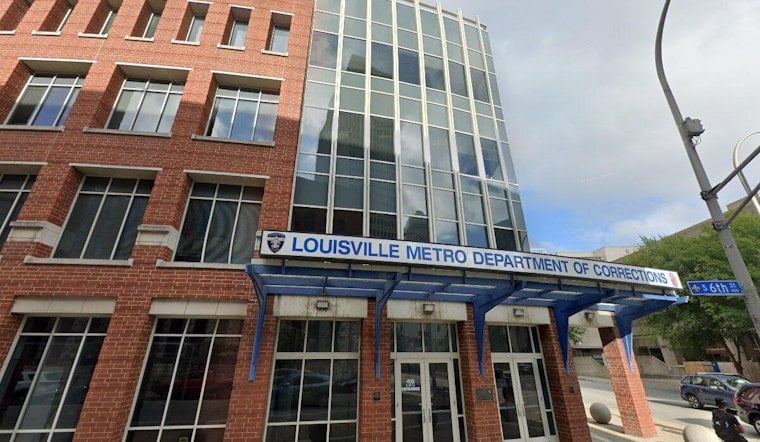
Women detained at a Louisville jail say getting a clean uniform can take weeks, leaving some in clothing that smells of body odor and bears stains they cannot wash away. The complaints point to a basic but consequential breakdown inside a facility where laundry access can shape daily health, dignity and comfort.
In a Courier Journal report, 55-year-old Robyn Smith said she is often forced to wear the same unwashed pair for weeks. Smith said some uniforms still smell after washing, while pants can be stained with menstrual blood.
Staffing Problems Were Already Hitting Laundry Access
The concerns were already visible in Louisville’s jail oversight discussions earlier this year. At a February meeting, Louisville Metro Government noted that staffing shortages at Metro Corrections could affect access to laundry, clean linens, recreation and other basic services.
That earlier warning does not establish that staffing alone caused the women’s reported experiences, but it does show that laundry was not an isolated operational detail. When staffing gaps reach services as fundamental as clean clothing, the consequences are felt directly by people who have little ability to solve the problem themselves.
Jail Records Show Laundry Is A Core Operation
Metro Corrections’ official inmate handbook lists laundry workers among the jail’s work details, indicating that clean clothing depends on a functioning internal process. The handbook, available through the department’s inmate resources page, does not explain how frequently uniforms should be exchanged or what backup system is used when washing falls behind. According to the National Commission on Correctional Health Care, its publication 'Standards for Health Services in Prisons' sets out correctional health guidance that jails commonly reference for health-related operations. The American Correctional Association also issues standards and guidelines governing prison and jail operations, including health-related procedures.
That gap is significant because a uniform is not merely a dress-code item in a jail. It is part of the facility’s sanitation system, and delays become especially troubling when residents report lingering odors, visible stains and clothing affected by menstruation. A 2023 article available on PubMed Central examines menstrual equity in the criminal legal system, underscoring research interest in how incarceration affects access to menstrual hygiene. A study published in BMC Women's Health reports that 'evidence indicates that slightly over six in 10 women in prison lack sufficient sanitary facilities for menstrual hygiene management,' highlighting public-health risks tied to inadequate access.
The allegations now put a very unglamorous part of jail administration under a brighter spotlight: whether Louisville Metro Corrections can consistently provide clean, usable uniforms to the people in its custody. For the women describing these conditions, the issue is not cosmetic; it is about whether a basic daily necessity is being treated as one.




