

























































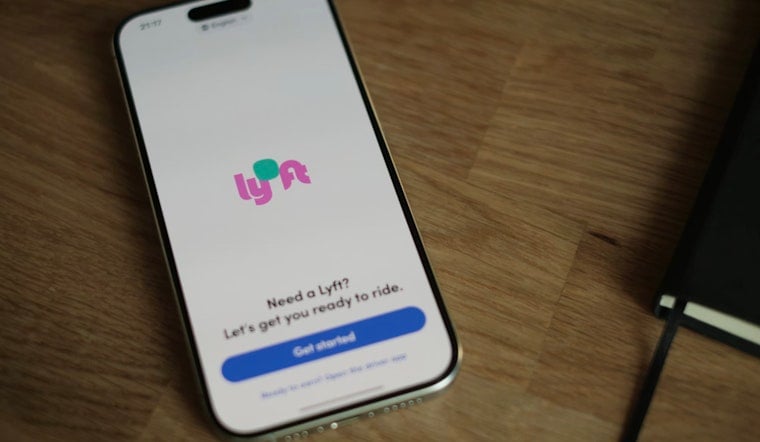
Hailing a yellow cab in New York just crashed the ride share party. Lyft and taxi technology company Curb announced Thursday that riders across the city can now be matched with licensed taxis through Curb Flow inside the Lyft app. When the system decides a nearby yellow cab is the best match, it can dispatch that taxi instead of a Lyft driver, and it runs on hardware that is already installed in the cabs. The rollout makes New York the largest taxi market so far to get the integrated service.
How the integration works
Eligible riders who request Standard, Priority Pickup, or Wait & Save can be matched with a licensed taxi when one is nearby, and anyone who really does not want to end up in a yellow cab can switch that setting off in the app, according to PR Newswire. Upfront pricing, driver and vehicle details, tipping, and Lyft in app safety features, including real time location sharing and emergency assistance, all carry over to taxi bookings made through the platform. On the driver side, trip offers show up in the Curb in vehicle systems already in the cab, the companies said, so taxi drivers do not need to juggle a second device.
What drivers are being promised
"New York's taxi drivers already know what it takes to keep passengers moving, and adding Lyft as another partner in the Curb network gives all taxis one more way to do it," Curb's Dorel Tamam said in the announcement, a line the companies use to underline that this integration is supposed to cut idle time and boost earning opportunities for drivers, per PR Newswire. Lyft executive vice president Jeremy Bird added that "taxis are iconic within New York City" and said the partnership brings "the Lyft experience to cab riders and drivers here for the first time." The talking points largely echo the script used in earlier Curb Flow launches in other cities, only this time the stage is a lot bigger.
Early results from other cities
Curb says Curb Flow nationwide volume has quadrupled since its 2023 launch and that in markets such as Los Angeles, driver earnings climbed more than 20 percent when comparing the first half of 2024 with the first half of 2025, figures reported by the companies and picked up by industry outlets. Lyft's push into New York follows earlier deployments in Los Angeles and San Francisco and is described as the largest deployment of the Curb integration to date, according to Investing.com. If those early metrics translate, local taxi fleets could see busier shifts and less time cruising empty between fares.
What this means for New Yorkers
For riders, the change adds another way to get around in neighborhoods where cabs are easy to spot and could trim wait times for short rides or airport trips. For drivers, it offers more potential trips without requiring new in car hardware. Yellow cabs and licensed for hire vehicles remain regulated by the New York City Taxi and Limousine Commission, which sets licensing and operating rules for taxis and FHVs, so taxi fares and licensing requirements stay under city oversight, per the Taxi and Limousine Commission. The companies say riders who accept a taxi through Lyft will still see upfront fares, driver information, and the usual in app safety tools.
Where to look next
The integration is rolling out across all five boroughs, the companies said, and more markets may follow as Curb grows its Curb Flow network. For a technical breakdown and a look at past rollouts, press materials from Curb describe how the Curb Flow API pulls ride requests from apps, dispatch systems, and street hails into a single network and summarize the company claims on driver earnings and utilization gains. Local riders and drivers should start seeing prompts inside the Lyft app as the New York rollout fills in, and can check the companies' sites for updates as more data from the city comes in.





