

























































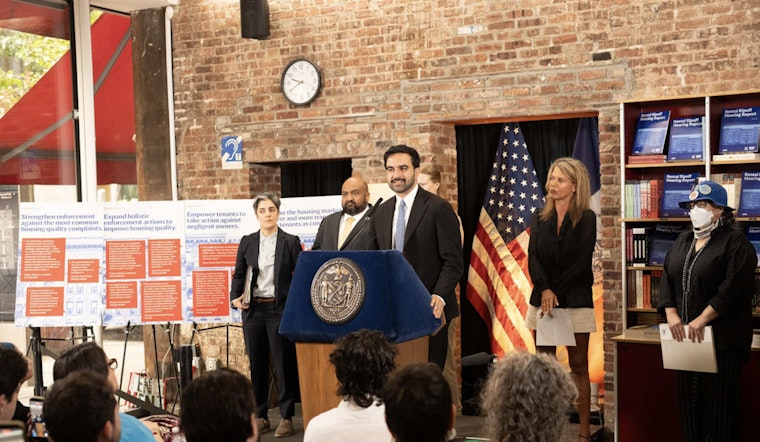
New York City is gearing up to call out apartment photos and videos that have been created or materially altered with artificial intelligence, so renters know when a listing has had a digital makeover. The new disclosure rule is one of 23 actions in a sweeping Rental Ripoff Report the mayor unveiled this month, aimed at cracking down on deceptive landlord tactics and shoring up tenant protections. City officials say the AI labels are designed to curb a growing practice nicknamed "housefishing," where the place you tour looks nothing like the glossy unit you saw online.
The AI-photo requirement appears in the administration's 68-page Rental Ripoff Report, released July 16, and the full package was rolled out at a press event at the Tenement Museum, according to the Mayor’s Office. "You shouldn't have to worry whether or not the apartment you're viewing online is real," Mayor Zohran Mamdani told attendees. The city says the Department of Consumer and Worker Protection will work with listing platforms to build in "clear and conspicuous" AI labeling.
Local TV has already shown how convincing doctored images can be. FOX 5 New York aired a segment this week that walked through side-by-side listing photos and renters' complaints, as reporter Meredith Gorman explained how edits can radically upgrade a unit's apparent condition without changing anything in real life.
How Widespread Is AI Staging?
Industry groups and researchers say the problem is not a one-off. A recent analysis cited by HousingWire found that roughly one in ten primary listing images on major real estate portals showed signs of digital alteration, and most had no obvious disclosure. That quiet ubiquity is exactly the enforcement gap Mamdani's proposal is meant to close.
Viral Examples Made The Problem Tangible
Sharable side-by-side comparisons have helped turn an abstract tech issue into something lawmakers can see and react to. In one widely-circulated case, an AI-enhanced Zillow listing for a Detroit bungalow showed fresh paint and refinished floors that were nowhere to be found during an in-person visit, a contrast reported by ClickOnDetroit. International coverage has adopted the shorthand "housefishing" for similar stories and has warned that edits can run the gamut from virtual staging that simply rearranges furniture to changes that amount to material misrepresentation, according to reporting in The Guardian.
Platforms, Patchwork Rules And Pushback
Major listing platforms are publicly backing the idea of transparency. Fortune reported that Zillow has said it supports clear disclosure whenever AI materially alters an image, and that StreetEasy expects listings on its site to accurately represent the home being advertised. Even so, the regulatory landscape is uneven. California has already enacted a law that requires conspicuous disclosure of altered photos and access to the originals, while many other states and platforms still operate without consistent, binding standards.
Legal Implications
California's Assembly Bill 723 already spells out specific duties for brokers: they must disclose when listing photos have been materially altered and must provide unedited images or a link to them, with the bill text posted in the state legislative record. The full statutory language for AB 723 is available from the California Legislature. In New York City, the proposal would function at the municipal level, with enforcement for AI-labeling housed in the Department of Consumer and Worker Protection as one element of the broader tenant-protection agenda laid out in the Rental Ripoff Report.
How Renters Can Protect Themselves
Until disclosure rules become standard everywhere, renter-safety guides recommend some basic defensive moves. That can include running a reverse-image search on photos that look too perfect, asking the broker or landlord to share original, unedited images, and insisting on an in-person walkthrough or live virtual tour before sending any money, according to advice from FlagMyListing. Analysts who track AI-related scams also suggest saving listing histories and screenshots and reporting suspected misrepresentations to platforms and local consumer-protection offices, guidance summarized by Field Guide to AI.
From here, the city process will be a mix of rule drafting and platform coordination. The Rental Ripoff Report lays out a staggered timeline for its 23 proposed actions, and officials say the rollout will lean on a combination of executive moves, agency rulemaking, and potential new legislation, according to local reporting. For tenants navigating a tight rental market, the core takeaway does not change much: do not rely on listing photos alone, and verify what you see online before you sign anything.



