

























































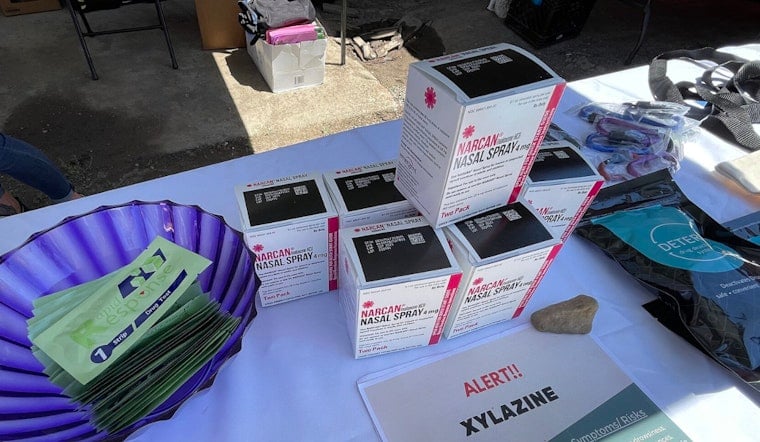
Manatee County’s long-running opioid crisis is finally breaking in the other direction, with local officials reporting a steep drop in overdose deaths and a lot more people living to see another day. Outreach teams, treatment partners and wider naloxone access are getting much of the credit as the county posts far fewer overdoses than it did a decade ago. Leaders say they are encouraged, but they are not pretending the work is anywhere near finished.
Opioid fatalities fall sharply
According to FOX 13 News, Manatee County Sheriff’s Office data show total overdose incidents fell from more than 1,289 in 2016 to roughly 204 last year, while overdose deaths dropped from 123 to 37 over that same stretch. The outlet reports a 56% reduction in opioid-related fatalities between 2023 and 2024, a turnaround county officials link to years of coordinated outreach rather than a quick fix.
How the county turned the tide
The strategy in Manatee has been to match fast response with a clear path to treatment. As outlined by the state Coordinated Opioid Recovery (CORE) Network, local partners that include treatment providers and emergency responders work together to move people from an overdose reversal into longer term care. Programs such as Centerstone help coordinate follow-up and referrals. Officials say those linked systems of support, combined with thousands of naloxone kits distributed by nonprofits and some kits placed at bus stops, have been crucial to the county’s progress.
Statewide context
Public health researchers note that Manatee’s numbers fit into a wider Florida and national pattern in which harm reduction and treatment investments are helping stabilize overdose trends. The University of Florida’s FROST tracking system, which compiles medical examiner and vital statistics data, highlights how overdose patterns vary from county to county and how coordinated efforts can bend those curves. Local leaders say Manatee’s programs reflect that research by coupling lifesaving rescues with both residential and outpatient treatment options.
Voices on the ground
"There’s no better feeling than having someone accept help," NAMI Adult Recovery Program Supervisor Brenda Brooker said, describing her work alongside people in recovery. Health Services Information Manager Thu Le told FOX 13 News that "there are so many factors" driving the reduction and emphasized that the gains stem from strong community relationships rather than any single agency.
Where to get help
Residents looking for treatment, support or naloxone training can find local listings through Manatee County’s health pages or CORE partners that coordinate referrals. The CORE Network’s Manatee page points to local providers such as Centerstone, contact listed there as 941-780-9408, for help navigating treatment options. For county-specific information and services, visit Manatee County's website or call the Community Health program at (941) 744-3951.




