

























































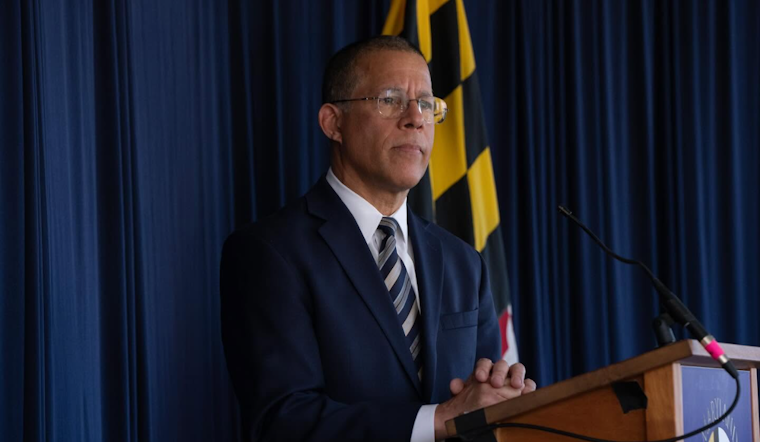
Maryland Attorney General Anthony G. Brown has launched a months-long, case-by-case review of 41 deaths that occurred during or shortly after police restraint, his office said Thursday. The deaths were flagged by an independent audit of the state Office of the Chief Medical Examiner, where panels of pathologists concluded the cases should have been certified as homicides instead of something less serious. Brown's team will comb through records and evidence to decide whether any cases should be reopened for criminal investigation, with results to be released one at a time.
What the audit found
An independent audit released in May 2025 examined 87 in-custody deaths from 2003 through 2019 and found that in 41 of those cases, panels of forensic pathologists said the deaths should have been classified as homicides. Auditors also reported frequent use of the controversial diagnosis excited delirium and found troubling gaps in documentation, including missing photographs and absent body-camera footage, according to The Washington Post.
Attorney general opens case-by-case review
The attorney general's office will review all 41 restraint-related deaths identified in the audit to determine whether any should be referred for new or renewed criminal investigation. Investigators plan to scrutinize autopsy files, police investigative records, and any additional evidence that has surfaced. The work is expected to take months, and findings will be announced as individual cases are completed, according to a statement from the Maryland Attorney General's Office.
Reviewers flagged "excited delirium" and documentation gaps
Auditors urged an end to the use of excited delirium as a cause of death and recommended consistent statewide procedures for investigating restraint-related fatalities. They also called for external peer review and stronger training for medical examiners, and pressed law-enforcement agencies to preserve and share video and other records that can clarify what happened during police restraints, as reported by AP.
Legal stakes and coordination with prosecutors
Gov. Wes Moore ordered a task force and additional reforms after the 2025 audit, according to the Maryland Governor's Office. As Brown's review unfolds, his office will coordinate with local state's attorneys to decide whether any of the reclassified homicides merit more criminal scrutiny, the Maryland Attorney General's Office said. Any decision to seek further investigation will hinge on newly available information, reexamined forensic evidence, or corroborating video and witness accounts spelled out in the governor's executive order.
Families and advocates demand answers
Brown noted that "behind each of these 41 cases is a parent, grandparent or child that lost a loved one," and his office has set up dedicated channels for family members to contact investigators, WBAL NewsRadio reported. Civil rights advocates and relatives of the deceased are pushing for maximum transparency, timely outreach to families and independent oversight as the review moves forward.
Why this matters beyond Maryland
Maryland's audit is among the first statewide deep dives into deaths that follow police restraint, and officials say they hope the approach can be shared so other states can copy or adapt it. Advocates argue the effort could reshape how medical examiners, police departments and prosecutors handle in-custody deaths and could drive reforms in documentation, training and accountability, according to Maryland Matters.





