

























































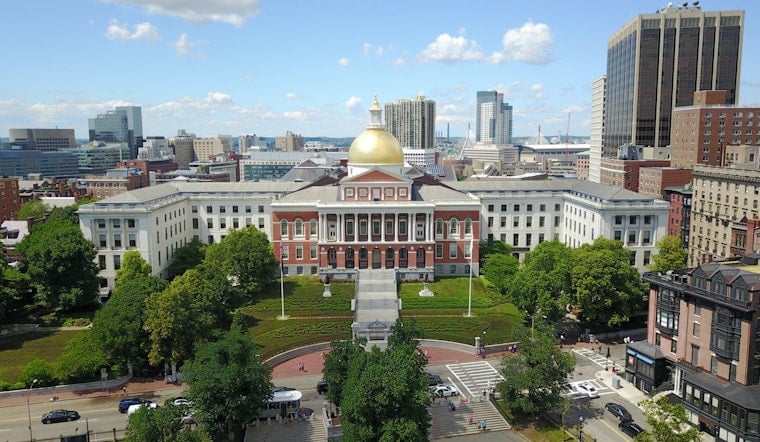
Massachusetts senators unanimously advanced protections for journalists Thursday, moving the state closer to joining the rest of the country in giving reporters a clearer legal shield for confidential sources. The vote came one day before the scheduled end of formal sessions, turning a yearslong press-freedom debate into a last-minute Beacon Hill scramble.
As reported by The Boston Globe, Senator Rebecca Rausch filed the amendment to bar judges, grand juries and other legal authorities from forcing a reporter to identify a confidential source. Under the language, disclosure could still be compelled if there were clear and convincing evidence of an overriding public interest and that the information could not be obtained elsewhere.
Massachusetts Has Been A Shield-Law Outlier
Massachusetts was one of nine states without a statutory reporter shield law as of 2025, according to the Reporters Committee for Freedom of the Press. Instead, state courts have relied on a common-law balancing test rooted in First Amendment principles, a system the group says has not been applied consistently.
The standalone version of the proposal, Senate Bill 1253, is still listed by the Massachusetts General Court as pending before the Senate Ways and Means Committee, even after receiving a favorable Judiciary Committee report. That status helps explain why lawmakers used the broader public-records legislation as the vehicle for Thursday's vote.
The Debate Has Already Reached A Massachusetts Courtroom
The issue stopped looking theoretical during the Karen Read case, when prosecutors sought recordings, messages and off-the-record notes from Boston Magazine reporter Gretchen Voss. A judge initially granted much of that request before reversing course on the confidential notes, a turnabout detailed by Boston.com.
Supporters say those fights can be financially punishing, especially for smaller newsrooms that cannot easily absorb a subpoena battle. The proposed standard would give reporters and sources more certainty before a court could demand sensitive newsgathering material, rather than leaving the outcome to a judge's case-by-case discretion.
Senate Vote Is Not Yet A Signed Law
The amendment was added to a wider public-records package, and House and Senate leaders still must negotiate a final version in closed-door talks that could continue later this year, according to The Boston Globe. In other words, Massachusetts reporters have a major vote behind them, but not yet a statute they can cite in court.
What The Proposed Protection Would Change
A shield law would not give journalists unlimited immunity or make every piece of reporting untouchable. It would establish a defined legal threshold for compelling source identities and protected reporting material, while preserving a narrow path for disclosure when the public interest is strong and no practical alternative exists.
For Massachusetts, the practical change would be less dramatic than a courtroom showdown and more important than one: a whistleblower, local official or corporate insider could receive a promise of confidentiality backed by clearer law. That is the gap senators moved to close before Beacon Hill's session clock ran out.




