

























































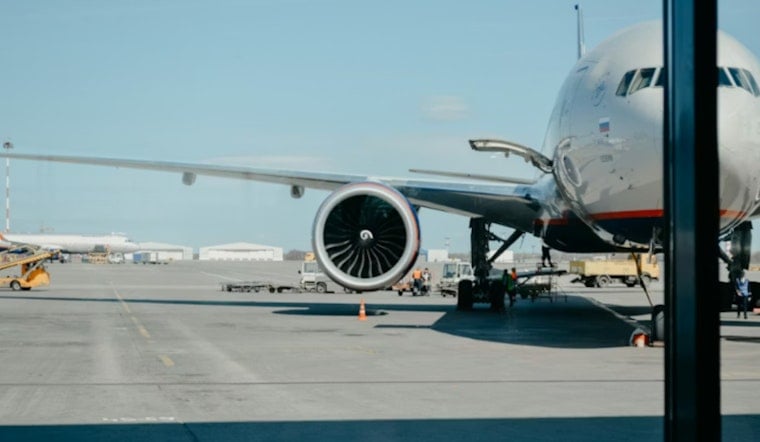
A holiday weekend at Philadelphia International Airport just got a lot more memorable for all the wrong reasons. City health officials say a person infected with measles passed through Philadelphia International Airport on July 4, potentially exposing travelers in Terminals A, B and C between 7:30 a.m. and 11:15 a.m. Anyone who was in those areas during that time and is not protected against measles is being urged to watch closely for symptoms through July 25 and to contact a clinician right away if they start feeling sick.
According to NBC10 Philadelphia, the Philadelphia Department of Public Health explained in a release that measles is a highly contagious virus that spreads through the air when an infected person coughs, sneezes or talks. Unprotected people can catch the virus for up to two hours after someone with measles has left the same room or airspace. Early symptoms include cough, fever and red, watery eyes, followed by a rash. Officials warned that measles can lead to pneumonia, brain infection and, in rare cases, death.
National context
The alert lands at a rough time nationally. According to the CDC, 2,231 confirmed measles cases had been reported in the United States as of July 9, 2026, with the vast majority tied to outbreaks rather than isolated infections. Health officials say declining MMR vaccination coverage in some communities has created pockets of vulnerability that can help the virus spread during busy travel seasons and big events.
City guidance and testing
According to the Philadelphia Department of Public Health, there are currently no known measles cases in the city. Even so, the department is asking clinicians to keep their guard up, maintain a high index of suspicion, promptly isolate anyone with suspected measles and expand the use of MMR vaccination for travelers and close contacts.
The advisory spells out how to collect specimens and order testing, and it instructs clinicians to coordinate both lab work and infection-control steps with the Division of Disease Control. Providers can call 215-685-6741 during business hours or 215-686-4514 after hours for help.
Post-exposure options
People who were exposed and do not have evidence of immunity may still have a narrow window to act. Guidance from the CDC says the MMR vaccine can be given within 72 hours of exposure and immune globulin within six days to lower the risk or severity of illness.
Anyone who was at PHL during the listed times and develops symptoms before July 25 should contact their doctor immediately, the department said, according to NBC10 Philadelphia.
Why now
The timing is no coincidence. The advisory follows a packed Independence Day week in the city, when the Mayor’s office reported that Philadelphia hosted large World Cup matches and other events and that Philadelphia International Airport handled an estimated more than 681,000 arriving and departing passengers during July 1–7.
With heavy travel and shoulder-to-shoulder crowds, public health officials are stressing a familiar message: check your vaccination records and get any needed catch-up MMR doses before you travel. In a moment like this, they say, that routine shot is still the best defense in the room.





