

























































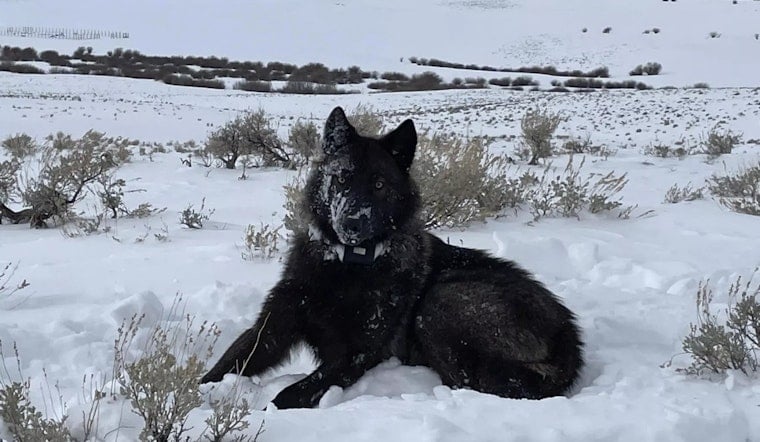
High above Mesa County pastures on wind-beaten ridges, a small crew on horseback and ATVs now serves as the low-key buffer between newly returned wolves and anxious cattle. Paid by the state and a handful of nonprofits, these range riders put in long, often lonely shifts watching herds, hazing predators, and logging carcasses so ranchers can be compensated and problems can be fixed. The job is equal parts wildlife tracking, neighbor-to-neighbor diplomacy, and plain old fence repair.
Colorado Parks and Wildlife has expanded the state-run Range Rider program to 15 riders for 2026, according to KUNC. That larger crew follows a 2025 pilot that convinced agencies the approach could cut losses while giving producers an on-the-ground partner. It is all part of a broader push to scale up nonlethal tools as wolves carve out territories across the Western Slope.
What riders do on the ground
Out on the allotments, riders patrol by day and into the night, using thermal binoculars, stretches of fladry, and nonlethal rounds to push wolves away from cattle and to find carcasses quickly, as described by Outside. The work also includes track-and-sign training with producers and agency staff so everyone agrees on what a wolf kill actually looks like. In practice, range riding is as much about constant human presence and relationships as it is about gadgets. The most effective riders are the ones quietly putting in miles, so predators stay uncomfortable getting too close to stock.
Numbers from last season
Colorado’s 2025 pilot logged roughly 14,800 miles and more than 4,300 hours while serving 34 producers, figures the state included in its annual report, according to Colorado Parks and Wildlife. The same report shows riders detected multiple wolf-linked depredations last year. The state has now paid out more than $1.3 million in wolf-related compensation as claims have outpaced early budget estimates, The Denver Gazette reports. Much of the mitigation work is underwritten by the Born to Be Wild specialty license plate and related grants from Colorado Parks and Wildlife.
Legal limits and lethal removal
Federal rules allow agency-directed lethal removal of wolves that repeatedly kill livestock, but only as a last resort and only after nonlethal measures have been tried first, under the 10(j) final rule in The Federal Register. That legal balance has been under federal scrutiny this year, with officials warning Colorado they could step in if the state’s wolf translocation and release decisions do not line up with the rule, a dispute detailed by Denver7.
“Range riding proved to be one of the most effective tools, providing consistent human presence, improved livestock monitoring and timely carcass detection,” Rae Nickerson told commissioners, making the case for more boots on the ground, as reported by KUNC. Christina Vander Berg, a Defenders of Wildlife rider working the Western Slope, now covers roughly 50,000 acres of summer grazing lands in Mesa County, according to The Denver Post. For ranchers and conservationists alike, the program remains a very live experiment in coexistence, with payouts, plates, and people all riding herd on how it turns out.





