

























































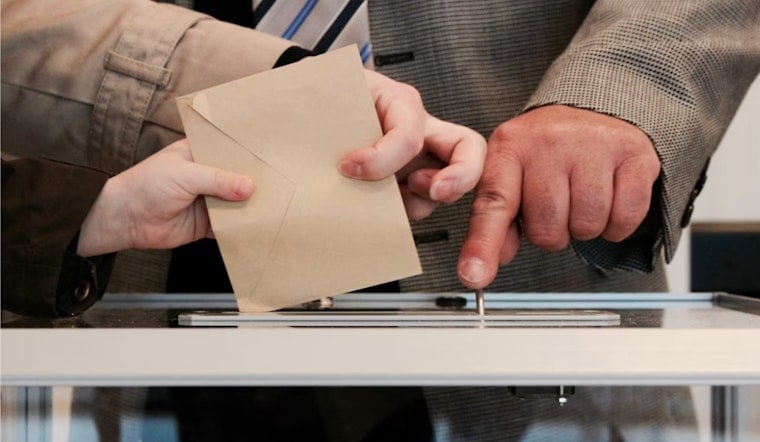
Election clerks across Michigan have started public pre‑election testing of voting machines as the state barrels toward the August 4 primary. With early in‑person voting set to begin next Friday, clerks have a tight window to run logic‑and‑accuracy checks, seal equipment and secure test materials before a single real ballot is cast. During these public run‑throughs, residents can watch sample ballots fed into tabulators, review zero tapes and see for themselves whether the programming lines up with the expected results.
State guidance requires a preliminary logic‑and‑accuracy test on every tabulator plus at least one public accuracy test no fewer than five days before early voting, according to the Michigan Bureau of Elections Election Officials Manual. The manual spells out how clerks must build a test deck, use a predetermined results chart, and verify zero tapes, then retain those records as part of the chain of custody. It also directs clerks to publish the time and place of each public test in a newspaper or journal at least 48 hours before the first ballot is run.
Officials Throw Open Testing To The Public
Deputy Secretary of State Aghogho Edevbie is urging residents to come see the process up close, saying clerks statewide are “performing public tests of every community’s election equipment,” according to ClickOnDetroit. During these sessions, clerks run a batch of test ballots to make sure tabulators are programmed correctly and functioning as expected. The testing is routine, but officials say putting it on display is a deliberate move to bolster transparency and voter confidence ahead of next Friday's start of early voting and the Aug. 4 primary.
What State Leaders Are Saying
Michigan Attorney General Dana Nessel is also nudging residents to take a look, saying, “The more we know about how our elections work, the more confidence we can have in knowing they are safe and fair,” in comments reported by ClickOnDetroit. The outlet notes that Michigan law requires paper ballots in every election and that each county clerk is responsible for choosing and maintaining certified election equipment from an approved vendor. State officials and local clerks argue that this decentralized setup limits single points of failure, even if it means different counties are on different replacement schedules for their gear.
Funding And Aging Hardware
The push to showcase testing comes as some clerks warn that parts of the state’s election equipment lineup are getting old. Bridge Michigan reported that lawmakers removed a proposed $43 million grant intended to help replace end‑of‑life tabulators from the FY2027 budget. Election officials say that decision could keep some jurisdictions running older machines longer than they had planned. In the meantime, they contend that visible, well‑documented tests are one way to reinforce public trust when budget constraints slow down hardware upgrades.
How To Observe A Test
Residents who want to watch a public accuracy test can contact their city or township clerk or look up details on the Michigan Voter Information Center, which lists local schedules and clerk contact information. Clerks are required to publish test times at least 48 hours in advance and must keep the test materials and certification forms after the run is complete. Observers can typically expect to see the zero tape that shows no votes are stored, the results from the test deck, and the seals that will be placed on tabulators before they are locked down for early voting.
Why It Matters
The stepped‑up visibility comes amid heightened scrutiny of how Michigan runs its elections, as the Department of Justice has notified several cities that it plans to send federal monitors for the August primaries, a move state officials have opposed while insisting Michigan’s systems are transparent and lawful, according to CBS News Detroit. For voters, the bottom line is straightforward: these tests are scheduled, open to the public, and offer a front‑row look at how tabulators will read ballots before early voting begins.





