

























































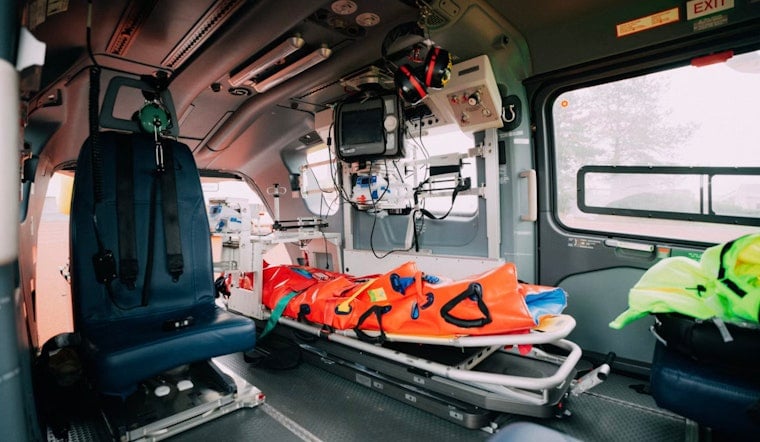
Wisconsin is pumping roughly $2.4 million into worker training grants that pick up the tab for paramedic coursework and create paid pathways for EMTs to move up the ladder. This round of Wisconsin Fast Forward awards includes a nearly $288,000 grant for Superior Air-Ground Ambulance to train about 40 existing employees and a separate $65,000 award to support EMT-to-paramedic training in the Beloit area.
According to the Wisconsin Department of Workforce Development, the $2,412,209 in funding went to 17 employers and is expected to train more than 1,000 workers in sectors such as health care, manufacturing and transportation. The grants reimburse occupational training costs for unemployed, underemployed and incumbent workers so they can move into higher-skilled roles.
Milwaukee Provider To Cover Paramedic Schooling
Superior Air-Ground Ambulance says its $287,690 award will let the company offer paramedic coursework at no cost to about 40 current EMTs through its Life Support Training Institute affiliate. CEO Dave Hill said the funding "directly supports our commitment to training the healthcare workforce our communities need" and described it as a pathway to higher wages and expanded services, the company noted in a post on Superior Ambulance.
In Rock County, Beloit Health System Foundation secured a Wisconsin Fast Forward grant to partner with Blackhawk Technical College on an EMT-to-Paramedic Advancement Project that will cover training costs for five students. Beloit Health System Emergency Room Director Nicole Kovarik told Spectrum News the award could "provide a tech in the emergency room or someone who can run as a paramedic out in the community."
Rural Gaps Make The Push Urgent
The money arrives as many rural counties are watching volunteer rosters shrink and missed responses climb. Wisconsin Public Radio reports Bayfield County saw missed ambulance responses jump roughly 83 percent in 2025 as services struggled to staff calls, a trend that translates into longer response times and fewer crews on duty. Those coverage gaps are a key reason state officials say they are leaning on training support as part of the fix (WPR).
Costs And Time Commitment
Paramedic programs typically last 12 to 16 months and often come with hefty tuition bills that many EMTs cannot easily pay upfront. Madison College’s paramedic program lists estimated program costs around $7,700 for the 2026–27 year, and EMT Marrlee Posey described her 16-month course as "very intense" and "basically a full-time job" in an interview with Spectrum News.
Officials say Wisconsin's Fast Forward awards are one tool to bolster emergency medical staffing statewide. The Department of Workforce Development notes the program has provided more than $57 million to support hundreds of workforce training projects since 2013, and state and local leaders argue that employer-sponsored training and tuition relief could help stabilize staffing, shorten response times and expand coverage for Wisconsin communities.





