

























































Milwaukee County Sheriff Denita Ball is rolling out I.G.N.I.T.E., a jail rehabilitation program aimed at giving people in county custody both education and workforce training before they return to the community. Ball said it took three years to bring the program to Milwaukee County, and her office has lined up local partners to deliver classes and certificates. Officials say the goal is to cut down on short-term rebooking while giving people a better shot at a job once they are released.
Job skills at the center, Ball says
“The purpose is to provide an educational foundation as well as job skills for those in our care and in our custody,” Sheriff Denita Ball said, according to WTMJ. The outlet reports Ball told officials it took three years to bring I.G.N.I.T.E. to Milwaukee County, and that the National Sheriffs’ Association is funding I.G.N.I.T.E. in 17 states and 38 counties across the country. WTMJ also notes that local leaders said the program is intended to make it less likely that people released from jail will reoffend.
What I.G.N.I.T.E. offers
I.G.N.I.T.E. (Inmate Growth Naturally and Intentionally Through Education) bundles literacy classes, vocational certificates, and post-release placement support into a single curriculum, according to the National Sheriffs' Association. The association says the model was developed in Genesee County, Michigan, and that its staff help local sites adapt programming and build partnerships. Sites typically combine classroom instruction with employer relationships so participants can move from earning certificates to paid work after release.
Research behind the model
Academic evaluations of the Genesee County model have found measurable effects: one recent analysis concluded that each additional month of I.G.N.I.T.E. exposure reduced three-month rebooking by roughly 24 percent, or about nine percentage points, with improvements in conduct and literacy that persisted for up to a year, according to a report by the National Bureau of Economic Research. The researchers also estimated notable social-cost savings per participant tied to reduced crime and incarceration. Supporters say that evidence is why they frame the approach as both a public-safety strategy and a way to manage budgets.
Where the county expects to run it
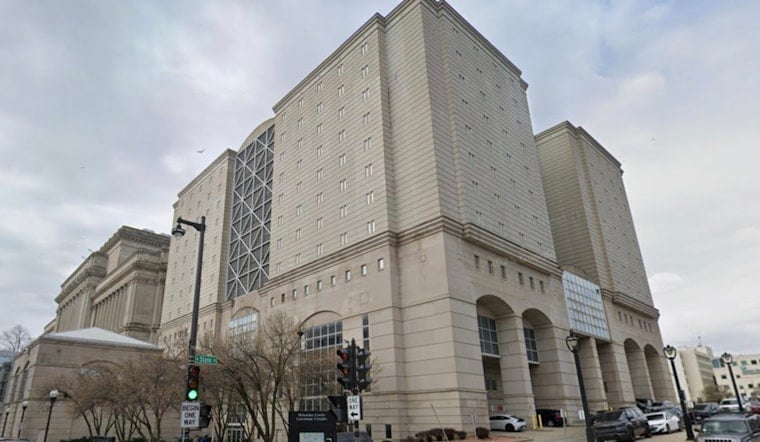
Ball said the sheriff’s office will administer I.G.N.I.T.E. for people in its custody and work with community partners to provide certificates and placement support. Milwaukee County’s detention information lists the downtown Criminal Justice Facility and the Community Reintegration Center in Franklin as the county’s primary adult detention sites, described as the likeliest locations for new programming, per Milwaukee County Detention Services. Officials have not yet released a public schedule for participant enrollment or details on how many people the classes can serve.
Next steps and oversight
Officials said they will monitor early outcomes and coordinate with National Sheriffs' Association staff and academic partners so local lessons can be shared with other sites, per the National Sheriffs' Association rollout guidance. Researchers who studied the original I.G.N.I.T.E. implementation also note that the program’s benefits compound over time and can generate measurable social savings, a point underscored in recent analysis. The sheriff’s office did not provide a detailed timeline for evaluation when reached for comment.





