

























































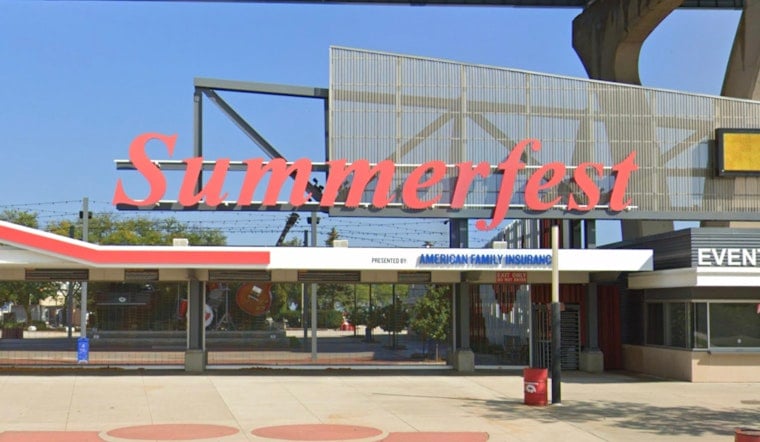
A small slice of lakefront land pressed up against the Summerfest grounds is tied to a decades‑old lease that could, at least on paper, bring in millions for the City of Milwaukee if it were ever put into serious development play. Yet City Hall has shown little interest in cashing in, leaving the parcel stuck in legal and political limbo while the festival keeps operating next door.
Minutes from the City’s Board of Harbor Commissioners show the long‑term lease assigns a host of maintenance and access obligations to Milwaukee World Festival and treats the festival grounds as part of a larger port and public‑trust footprint. Those minutes underline why any change to the property would need coordination across city departments, along with potentially costly waterfront repairs.
Documents filed in court, including a copy of the 2001 lease that was amended in 2004 and 2009, detail rent, capital‑improvement and public‑access requirements that bind both the city and Milwaukee World Festival. Urban Milwaukee published the lease and related filings, which require festival contributions to capital projects and specify that festival‑built improvements may transfer to the city when the lease ends. Those mechanics are the basis for the claim that development of a small tract could be monetized by the city.
As reported by Urban Milwaukee, the arrangement includes what the story called “an unusual lease provision with Summerfest could make city millions on a parcel of land,” a detail that has raised fresh questions about why the city has not moved to even consider redevelopment. That reporting brought the clause wider attention this week and renewed scrutiny of how the entire lakefront lease is structured.
Legal questions and public‑trust limits
The legal backdrop is complicated. Wisconsin courts have long held that lease terms affecting public use can be enforced by the public, a point the Wisconsin Supreme Court emphasized in State ex rel. Journal/Sentinel v. Pleva. The Pleva ruling, available through Justia, makes clear that the public has standing to challenge lease provisions that touch public access or governance. That precedent is a big reason any attempt to squeeze more value out of lakefront land would face both legal review and political pushback.
Why the city hasn't acted
There are also practical and political hurdles. Summerfest’s long‑term presence and the lease’s technical requirements, from dockwall work to financing adjustments, make a quick sale or redevelopment anything but simple. Debate over how much Summerfest pays the city has dragged on for years. The Journal Sentinel has previously laid out annual rent figures and detailed mayoral pressure to increase festival payments, a reminder that turning lakefront value into city revenue is not just a matter of reading the lease.
For now, the parcel remains a parked opportunity. The documents and reporting show the city has a pathway to unlock value, but turning that paper potential into tax revenue or new housing would require political will, legal clearance and tight coordination with Milwaukee World Festival and harbor officials. Observers expect the next moves to be slow and procedural, with studies, interagency briefings and possibly public hearings likely to come before anything that looks like an actual development plan lands on the table.





