

























































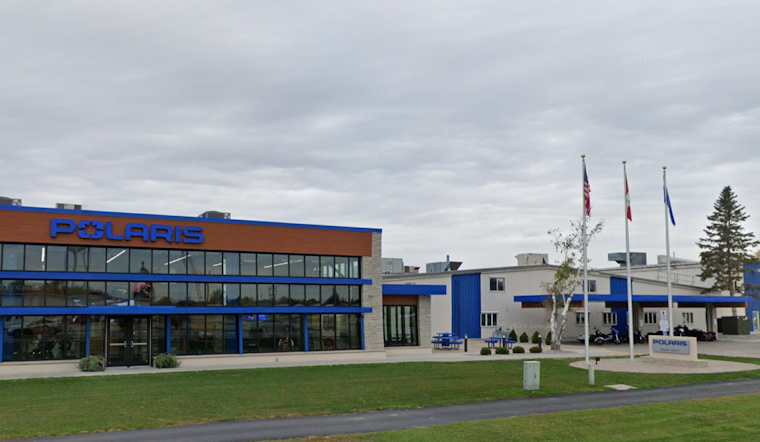
The AI infrastructure boom is showing up in an unlikely place: the order books of Minnesota-headquartered Polaris. The company says utility and commercial vehicles are moving workers and gear around giant data-center construction sites, helping turn a recreational-vehicle maker’s workhorse lineup into one of its sharper growth stories.
That surprise tailwind helped drive a 17% increase in Polaris’ Powersports segment sales during the second quarter, according to the Minneapolis/St. Paul Business Journal. Demand came from utility vehicles used across sprawling construction campuses, where crews need to move people and equipment over large job sites.
In Polaris’ earnings release, the company reported second-quarter sales of $2.02 billion, up 9% from a year earlier, while Powersports sales reached $1.72 billion. Polaris also raised its full-year adjusted earnings-per-share guidance to $3.00 to $3.10, compared with its previous range of $1.60 to $1.70, though $0.96 of the new outlook reflects tariff refunds recorded during the quarter.
Why Data Centers Need Side-By-Sides
The vehicles being sold into this boom are not primarily recreational toys waiting for a weekend trail ride. In the company’s earnings call transcript, CEO Mike Speetzen said commercial demand was being driven by data-center construction and other mega-projects. Polaris specifically pointed to its commercial dealer network and Pro XD lineup, which are built for rough worksite conditions.
Polaris had already flagged the trend during its April earnings call, saying utility vehicles used on data-center projects were moving across campuses that can stretch hundreds or even thousands of acres. The company also said utility vehicles now account for about 70% of ORV revenue, giving the commercial construction boom a meaningful place inside its broader off-road business.
There is a catch: Polaris says commercial units sold to rental companies are excluded from its consumer retail figures, and many purpose-built vehicles may be retired once a construction project is complete. Management said it is still learning how long the data-center opportunity will last and what replacement demand could look like after campuses are finished.
Big Guidance Raise, With A Few Asterisks
The company’s release said full-year adjusted sales are now expected to land between $7.30 billion and $7.50 billion. Polaris credited stronger first-half execution, higher volumes, pricing and mix, along with the tariff refunds, while warning that consumer retail demand could remain roughly flat during the second half of 2026.
For Twin Cities readers, the local connection is straightforward: Polaris’ global headquarters is in Medina, about 30 minutes west of Minneapolis, according to the company’s Twin Cities profile. The data-center sales themselves are spread across the national construction market, but they show how an AI spending spree is creating secondary demand for Minnesota-based manufacturers far beyond servers, chips and power equipment.
For now, Polaris is treating data-center construction as a potentially durable commercial tailwind while staying cautious about how long the buildout will last. The AI economy may be powered by immense computing clusters, but apparently it also needs a small fleet of rugged vehicles to get from one end of the job site to the other.





