

























































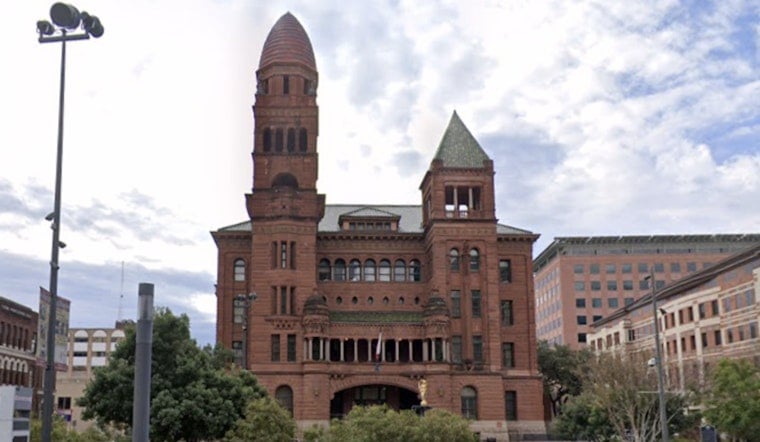
Jurors in San Antonio opened a high-profile courtroom drama Wednesday, weighing a defamation suit over a Netflix episode that took aim at the U.S. guardianship system and zeroed in on one local guardian. Tonya Barina, who was appointed by a probate court to oversee Charlie Thrash’s estate, says the program wrongly painted her as an exploiter of an elderly ward and torpedoed her banking career. After years of appeals, sanctions and disciplinary fights, the clash has landed in front of a jury, with Barina’s reputation and the documentary’s editing choices under the microscope. Her legal team kicked things off by playing footage from the episode.
According to the San Antonio Express‑News, Netflix and the episode’s producers quietly settled with Barina in October. That deal left the remaining defendants, including former attorney Phil Ross, Jo Ann Rivera and members of Laura Martinez’s family, to face jurors alone. Barina’s lawyer told the court she plans to seek more than $2 million in lost earning capacity, along with compensation for mental anguish and reputational damage. Jurors watched the roughly 54 minute “Guardians, Inc.” episode as part of Barina’s opening presentation. The Express‑News also notes that Ross, who is representing himself along with Rivera, surrendered his law license in lieu of discipline tied to the underlying guardianship battle.
Appellate ruling kept the suit alive
Before the trial ever got going, the Fourth Court of Appeals in San Antonio ruled that the Netflix episode was capable of conveying a defamatory “gist” because it omitted or played down earlier probate court findings. That appellate decision blocked an early dismissal under Texas’s anti‑SLAPP statute, which is designed to quickly shut down some speech-related lawsuits. The court’s memorandum opinion describes how the guardianship proceedings for Thrash began and notes that a probate judge sanctioned Martinez, Ross and a family member, details Barina says the documentary left out. The Justia summary of the opinion outlines the legal framework jurors are now being asked to apply.
Opening statements: ‘lies’ vs. ‘free speech’
In opening statements, Barina’s attorney, Carl Kolb, told jurors, “Every single one of them knew when they got on Netflix that they were lying about Tonya Barina,” and said the episode unleashed “hundreds and hundreds” of abusive messages at his client. The defendants pushed back, arguing they were speaking out on matters of public concern. Ross, the former lawyer now acting as his own counsel, told jurors, “To me, reputation is not as important as freedom of speech,” as reported by the San Antonio Express‑News.
What the case could decide
Jurors are being asked to decide whether the editing choices and selection of interview subjects created a false overall impression, the so called “gist” that Texas courts use in defamation cases, or whether the filmmakers’ reporting was substantially true or otherwise protected. Coverage by Bloomberg Law and subsequent legal commentary have pointed to the lawsuit as a key test of how anti‑SLAPP rules and modern defamation doctrine apply to investigative media projects.
What’s next in court
The trial is unfolding in state District Judge Nadine Nieto’s 285th court in Bexar County, where public records show she presides over the docket. Attorneys told the court that testimony and witness examinations are expected to continue through next week as the defense presents its side. Whatever the jury decides, the case is a blunt reminder of how a national streaming platform can spin a local guardianship dispute into a prolonged legal and reputational fight for the people who end up on screen.



