

























































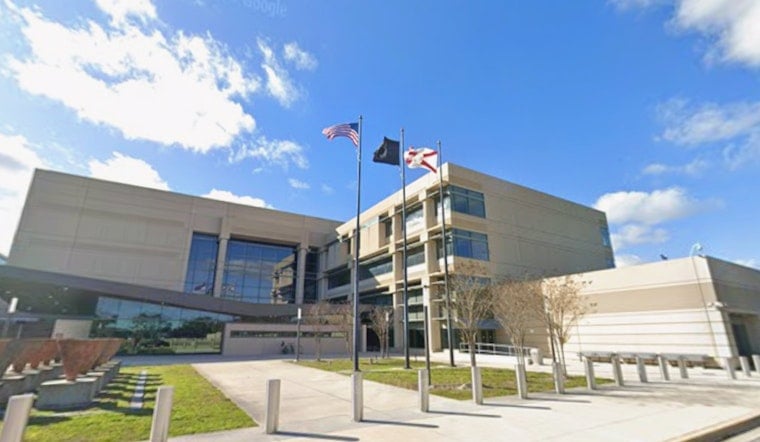
Pamela Colloff’s new book, Catch the Devil, levels a blistering critique at Pinellas County prosecutors, arguing they leaned for years on a prolific jailhouse informant whose accounts helped secure convictions, including at least one death sentence. Her reporting follows Paul Skalnik’s long trail of deception and lays out records that Colloff says show prosecutors repeatedly turned to him whenever they needed to plug holes in shaky cases.
What Colloff Says She Uncovered
The book builds on a 2019 investigation and expands it into a fuller narrative that tracks how Skalnik evolved into a go-to witness for the state and how his testimony was used to reinforce prosecutions in Pinellas County. As detailed by ProPublica, Colloff reports that Skalnik testified in dozens of cases and that prosecutors put him in front of juries even as other records pointed to more serious charges and repeated fabrications.
Prosecutors Fire Back
The Pinellas-Pasco State Attorney's Office told Axios that “the State Attorney's Office never provided any leniency to Paul Skalnik in exchange for his testimony.” Colloff disputes that, saying the court and probation records she reviewed show a recurring pattern of probation, dropped charges and prosecutor advocacy that, in her account, kept Skalnik in circulation as a witness.
The Cases In The Crosshairs
At the heart of the book is the 1985 killing of 14-year-old Shelly Boggio and the conviction of James Dailey. According to earlier reporting by ABC News, Dailey’s death sentence rested heavily on jailhouse testimony. His attorneys say there is no physical evidence tying him to the murder and that Skalnik’s account filled in critical gaps in the state’s case. Courts have so far declined to overturn the conviction.
Why This Reaches Beyond Pinellas
Jailhouse informant testimony has long been flagged by researchers and advocates as a common driver of wrongful convictions, and national analyses show that official misconduct and unreliable testimony often sit behind death row exonerations. That broader pattern, documented in national reporting and analyses, is a big part of why Colloff’s deeply local story has drawn attention beyond Tampa Bay, according to data and analysis compiled by national death penalty observers and researchers such as the Death Penalty Information Center.
The Legal Terrain Ahead
Colloff’s book raises questions about disclosure and prosecutorial judgment, but judges have been wary of unraveling decades-old verdicts. In 2021, the Florida Supreme Court rejected an attempt to overturn Dailey’s conviction, a decision that local courts and news outlets covered extensively. That posture, with courts largely upholding convictions while critics call for a fresh look at informant-driven cases, is central to the book’s critique of how prosecutors operated in that era.
Colloff Brings The Debate To St. Pete
Colloff is set to speak in St. Petersburg this week about Catch the Devil. Local organizers and public radio have promoted the event and say she will dig into the Dailey case and the broader use of jailhouse informants in Pinellas County. Hosted by community partners in downtown St. Pete, the appearance is the local stop on a national rollout for the book and has already stirred renewed attention in the area.
What Local Readers Should Watch
Colloff’s reporting effectively dares Pinellas officials to confront decades of informant use and recordkeeping. The Pinellas-Pasco State Attorney’s Office has continued to defend the convictions and has maintained that it did not trade leniency for testimony, according to Axios. Whether that explanation satisfies judges, advocates or the broader public is likely to remain an open question in Tampa Bay as the book trains fresh scrutiny on old cases.




