

























































In north Charlotte, a grieving family and a skeptical neighborhood are still looking for answers after 16-year-old Juliana Umba Nzita was found hanging on church property. Police have publicly classified her death as a suicide, but relatives and community members say details at the scene and the lack of released records make that conclusion hard to live with. An independent autopsy and fresh reporting have only turned up the volume on calls for transparency.
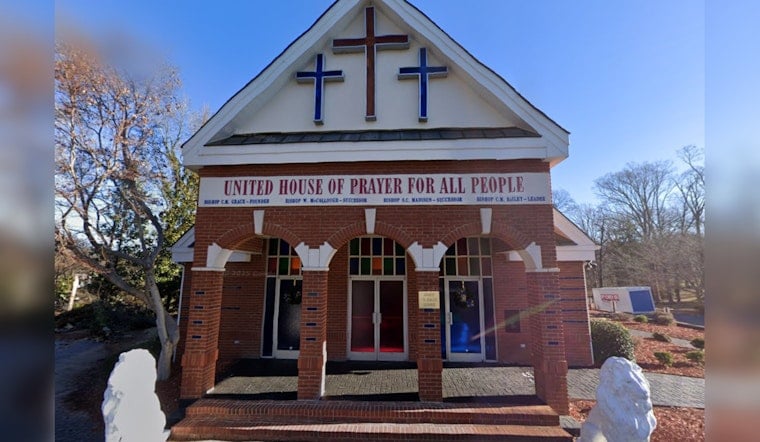
According to a police report obtained by The North Carolina Beat, officers said Nzita was pronounced dead around 12:40 p.m. on May 8 in the 4200 block of West Sugar Creek Road, on property connected to The United House of Prayer for All People. Department notes later classified the case as a suicide. Video shared with reporters and online shows a small blue chair under the tree where her body was discovered, and a volunteer who says he came upon the scene recorded footage that has since circulated through the community.
Family Pushes Its Own Probe and Demands Records
Nzita’s relatives say they have commissioned an independent autopsy that includes DNA analysis and have hired civil-rights attorney Jill Collen Jefferson, according to The Charlotte Observer. A GoFundMe for the family has brought in more than $10,000, and observers say at least 200 mourners gathered for her July 3 funeral service. The family and their lawyer are calling for the release of 911 recordings and investigative files so outside experts can review the evidence and timeline for themselves.
Neighborhood Skepticism and Widening Scrutiny
Neighbors, faith leaders and online commentators have pressed the Charlotte-Mecklenburg Police Department for more information, asking how a teenager who had been missing for days ended up on church grounds and why elements of the scene do not seem to match a straightforward suicide to them. As reported by AFRO, those questions have moved beyond Charlotte, with videos, petitions and social media posts helping to amplify demands for clarity. Advocates say that a death on religious property, the widely shared footage and limited public details recall other disputed cases that have drawn civil-rights attention.
What Police Say, What Records Show and What Comes Next
The Charlotte-Mecklenburg Police Department told The Charlotte Observer that investigators found no signs of physical or sexual assault and no evidence pointing to foul play, adding that the department generally does not release detailed findings in suicide investigations in order to protect family privacy. The Observer reports it has requested the 911 call and investigative documents from CMPD and has not yet received them. Family members and their attorney say the independent autopsy has raised questions they want publicly addressed before the case is treated as closed.
For now, Nzita’s death sits in a tense space between official conclusion and community doubt: a suicide ruling from police, a family pressing for records and a city urging fuller disclosure. Whether investigators share more information or revisit any part of the case will help determine whether her death remains a private tragedy or becomes a catalyst for broader scrutiny of how contested deaths are handled in Charlotte.


