

























































Federal prosecutors say a Waialua resident is at the center of a long-running scheme that used U.S.-based cryptocurrency and payment apps to move money to Iran. Thirty-seven-year-old Arash Einolghozati, a lawful permanent resident living on Oʻahu’s North Shore, is facing federal charges that could bring prison time and possible deportation. Authorities allege the transfers sidestepped traditional banks and ran through nonbank digital platforms instead.
According to local reporting and court filings, prosecutors say Einolghozati used a Coinbase account for dozens of transactions and pushed additional funds through other electronic-money services. The reports state he was arrested in Waialua in 2024 and is currently free on a $50,000 unsecured bond. Newly filed documents show he has been charged by information, a procedural shift that can signal cooperation with prosecutors. Defense attorneys told Hawaii News Now that Einolghozati has said the transfers were meant to help family members in Iran.
How prosecutors say the transfers worked
In an affidavit attached to the complaint, FBI agents allege Einolghozati routed dollars and cryptocurrency to Iranian exchanges Wallex, Nobitex and AbanTether, platforms the filing says openly marketed services to help Iranians work around U.S. sanctions. The affidavit summarizes chat logs where participants debated how traceable cryptocurrency is and floated specific U.S. platforms to move funds.
According to the complaint, Einolghozati allegedly used a Coinbase account for 72 transactions totaling about $109,000, along with other electronic-money transfers that bring the total to roughly $150,000. The filing notes that willful violations of the International Emergency Economic Powers Act can carry a maximum 20 year federal prison sentence. Scribd
Sanctions background
The U.S. trade embargo and related Iran sanctions regime date to the mid 1990s and are implemented through the Iranian Transactions and Sanctions Regulations administered by the Treasury Department's Office of Foreign Assets Control. Federal guidance makes clear that most transfers to Iran require prior authorization, and that remittance services and certain financial channels are restricted unless they run through licensed depository institutions or specifically authorized intermediaries. OFAC
What happens next
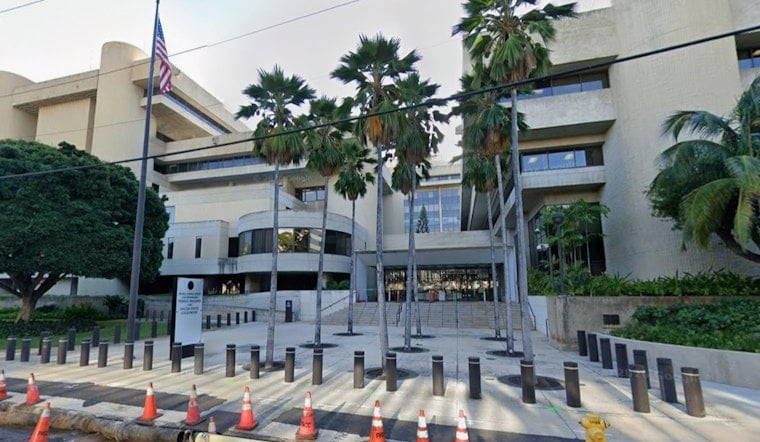
Court records and local reporting state that Einolghozati’s next federal hearing is set for Monday, July 13, 2026, and that he remains free on the unsecured bond for now. The case is pending in the U.S. District Court for the District of Hawaii, located in the Prince Jonah Kūhiō Kalanianaʻole Federal Building at 300 Ala Moana Boulevard in downtown Honolulu.
Hawaii News Now reviewed the federal filings, while the courthouse location is listed by the U.S. Marshals Service.
Why the case matters
Prosecutors say the investigation highlights a broader federal push to test how aggressively digital payment systems and cryptocurrency are being used to sidestep sanctions regimes. Any prison term Einolghozati might ultimately face will likely depend on how strong the government’s evidence proves to be and on whether prosecutors decide to credit any cooperation he offers about how these nontraditional channels operated.



