

























































A fight over 1,389 acres of Clay County land has landed in federal court, with a New York-linked buyer accusing the Reinhold family’s company of breaching a 2020 purchase agreement tied to a tract inside a mitigation bank. The complaint says the Phase 3 parcel was supposed to be freed from mitigation restrictions so the deal could close, but alleges the seller dragged its feet while the land’s market value climbed sharply.
Jax-Palatka Farms LLC filed the complaint Thursday. According to St. Johns Citizen, the 2020 agreement covered about 13,431 acres with a total purchase price of $42.5 million. The buyer says the Phase 3 tract was priced at $2,750 per acre, or about $3.8 million, under the deal but is now worth roughly $12 million, and it alleges Reinhold delayed the closing, originally set for no later than December 2024 and later extended to July 29, 2025, while pursuing permit amendments instead of pressing for the release needed to transfer the land.
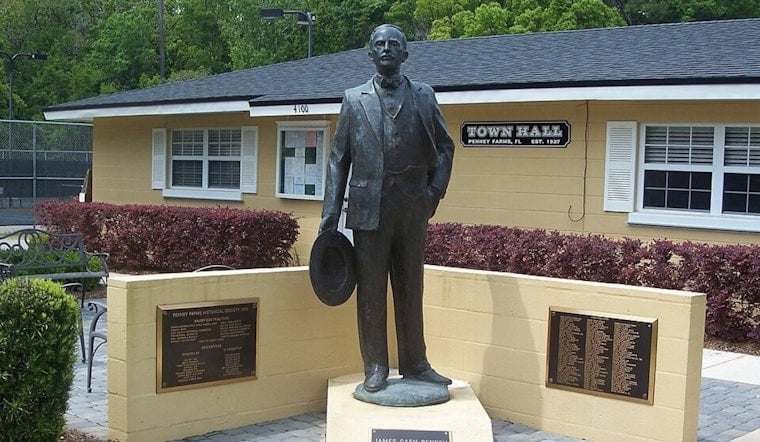
Town records show how deep Reinhold’s roots run locally. Town of Penney Farms meeting minutes note that the Reinhold Corporation has long held, and in recent years sold, large tracts along State Road 16. That mix of conservation parcels and increasingly valuable rural acreage helps explain why disagreements over mitigation-banked land can quickly turn into courtroom battles with seven-figure stakes.
How mitigation rules complicate transfers
The disputed acreage sits inside a mitigation bank, where ownership and transfers are tied to a system of credits and regulatory approvals rather than a straightforward deed swap. Under federal guidance, credits are released only after a bank’s instrument, site protections, and certain performance or financial assurances are in place, and releases or permit changes typically require interagency sign-offs and regulatory steps, according to the EPA.
Why timing matters for buyers and sellers
Mitigation-bank credit releases are often phased and pegged to ecological milestones or construction benchmarks. That structure can leave buyers waiting on regulators or force renegotiations when land prices move. As the National Research Council has detailed, compensatory-mitigation programs are institutionally complex, and delays or changes in permit conditions can determine whether parcels function as tradable assets or effectively conserved land, a dynamic that courts and regulators frequently wrestle with.
What Jax-Palatka is asking for
The complaint asks a federal judge to require Reinhold to pursue the permit amendments and convey the released Phase 3 parcel, or, alternatively, to award money damages, according to St. Johns Citizen. The filing identifies Jax-Palatka as linked to members based in New York and describes a dispute in which the buyer contends the seller “slow-rolled” release efforts while the acreage appreciated sharply.
Next steps and local stakes
The case is now pending in federal court, and the next round of paperwork, whether a response from Reinhold or procedural motions, will help determine if the clash turns into a fight over permitting timelines or a straight damages battle. Either path carries local consequences: landowners, developers, and conservation managers across Clay County will be watching to see whether mitigation-bank rules can block or slow major rural land transfers or whether courts will order conveyance in spite of permitting friction.





