

























































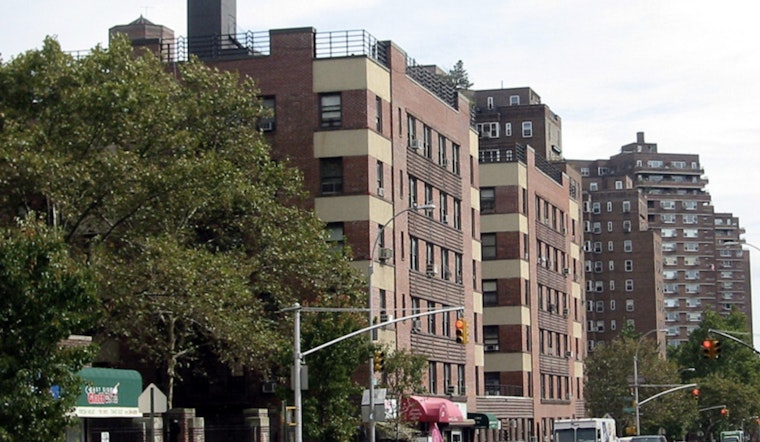
New York City co-op buyers now have something the city’s famously opaque approval process rarely offered: a clock. A new law requires boards and managing agents to acknowledge applications within 15 days and issue an approval or rejection within 45 days after an application is complete.
Local Law 58 of 2026 took effect Tuesday, July 28, after the City Council overrode former Mayor Eric Adams’ veto in January. The New York City Council says the law generally applies to co-ops with 10 or more units and authorizes fines when buildings miss the new deadlines.
Co-op buyers are not purchasing a deed to an individual apartment in the same way condo buyers do. They are buying shares in a corporation that owns the building, which is why a board can still decide whether a prospective buyer joins the ownership structure. The city’s Commission on Human Rights and HPD have identified the co-op approval process as a longstanding transparency and discrimination concern.
Fifteen Days To Acknowledge, 45 Days To Decide
Under the law, a co-op must send a written acknowledgment within 15 days of receiving an application or a new submission. That notice must say whether the package is complete and identify what is missing if it is not; if the co-op fails to send the acknowledgment, the application is treated as complete.
Once the package is complete, the board has 45 days to say whether the sale is approved, approved with conditions or denied. The law allows one extension of up to 14 days without the buyer’s consent, while any additional extension requires the purchaser’s written agreement, according to the law’s official text.
There is some fine print for boards that do not operate year-round. A summer recess can pause the timeline during a period in July or August if the co-op has adopted the required notice, and requests for clarification or additional documents do not automatically restart the 45-day clock, a real-estate law analysis explains.
The Waiting Game Could Be Shorter, Not Simpler
For some New Yorkers, the new deadlines mark a sharp change from the old experience. Terry Meehan told Spectrum News NY1 that his Upper West Side co-op application included years of financial records, references and even information about his dog before the board review stretched to seven months.
The law does not appear designed to make co-op applications less demanding. Rebecca Poole, executive director of the Council of New York Cooperatives and Condominiums, told NY1 that boards still need detailed financial packages because one buyer’s ability to pay affects the financial stability of the entire building. In other words, the paperwork pile may remain enormous; it just should not disappear into a boardroom for months without an answer.
Boards Still Keep The Final Say
The deadline is not a guaranteed path to approval. Missing it can trigger HPD enforcement and civil penalties of $1,000 for a first violation, $1,500 for a second and $2,000 for later violations, but the law does not automatically approve the buyer or require a board to accept an otherwise lawful applicant.
The measure also does not require boards to explain why they rejected a purchaser, according to the Herrick analysis. That leaves Local Law 58 as a significant procedural change—but not a full rewrite of the co-op power structure that has made New York apartment shopping feel, at times, like applying for membership in a very expensive secret club.
For buyers and sellers, the practical shift is predictability: there should be a written record of when materials arrived, a clearer definition of what remains missing and a deadline for the board’s decision. Whether the new system reduces complaints about arbitrary treatment will depend on how consistently buildings document their reviews and how aggressively the city enforces the rules.





