

























































Drivers in parts of Dallas are about to find their everyday routes looking a lot more colorful, and hopefully a lot safer, thanks to a short-term street experiment from the Better Block Foundation.
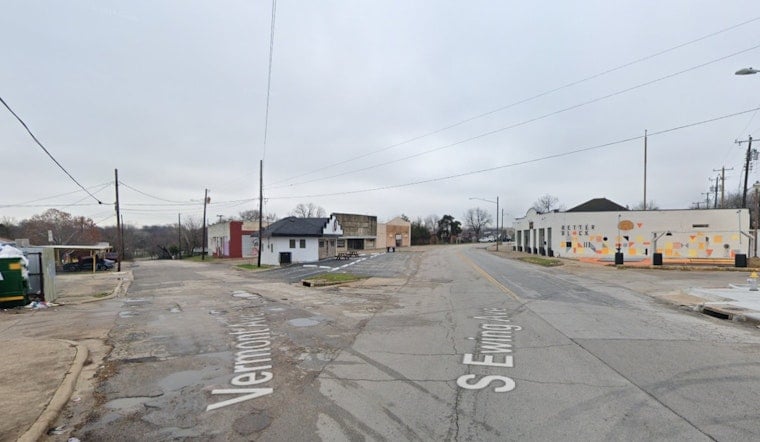
The group is rolling out a series of “Better Intersections” pilots this summer, dropping in paint, planters, flexible posts and other low-cost materials that volunteers will install for roughly 90 days while organizers track how people actually use the streets and collect neighborhood feedback. The concept builds on a previous 90-day test at Vermont and South Ewing that prompted the city to follow through with permanent sidewalks, a marked crosswalk, extended bumpouts and a four-way stop.
According to Better Block Foundation, the Vermont and Ewing demo produced hard numbers to match what neighbors were feeling: 23% more drivers came to a full stop at the sign, and vehicle speeds dropped by about 13.6%. The nonprofit says that the combination of data and resident input helped persuade city officials to lock in permanent changes on the block and is now informing a new wave of quick-build tests across Dallas.
Each temporary pilot comes with a roughly $40,000 price tag and is covered through private donations and sponsor support, according to The Dallas Morning News. The paper reports that volunteers expect to have the quick-build treatments in the ground by the end of July, using paint, vertical posts, planters, and signage while organizers gather public feedback.
Where the first pilots will run
The first round zeroes in on neighborhood connections in West Oak Cliff, North Oak Cliff and Lakewood, targeting three spots that see plenty of everyday traffic but not always in the safest way.
The projects will focus on West Clarendon Drive just north of Martin Weiss Park; South Hampton Road at Perryton Drive; and a child-centered effort around Lakewood Elementary. The work is partially funded by AARP, with additional support from Toyota North America, according to Better Block Foundation.
Community-led design and quick-build tactics
Instead of dropping in a finished design from City Hall, organizers are leaning on community meetings and walk audits, using neighbors’ on-the-ground knowledge to map hazards and try small, reversible fixes before anyone talks concrete and curbs.
Residents and volunteers have flagged missing sidewalks, slow or poorly timed signals, and school-crossing worries during recent walk audits, and those notes are shaping what the temporary layouts will look like at each site. As reported by Oak Cliff Advocate, the installations are slated to stay in place for roughly 90 days while teams collect data and public comments.
Neighbors say quick tests can move change faster
Local leaders and residents say the pop-up approach strips away some of the fear around “forever” changes and makes it easier to start serious conversations about what should come next.
“The temporary approach lowers barriers and makes people more willing to discuss permanent change,” Krista Nightengale told The Dallas Morning News.
Another neighbor, Mary Ann Hernandez, told the paper that “stop signs, speed bumps or similar measures would make a world of difference” on streets where speeding and missing sidewalks are part of the daily routine. For now, the quick-build pilots will test exactly how much difference some paint, posts, and a few planters can make.





