

























































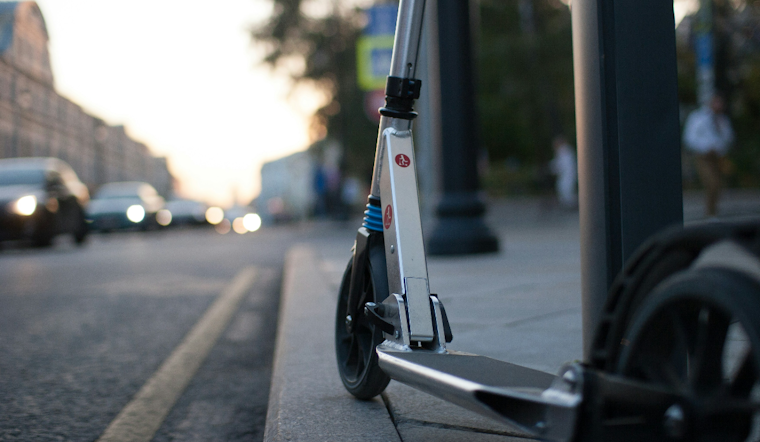
Ocoee is officially putting the brakes on fast, wild rides through town. On Tuesday, the Ocoee City Commission voted to crack down on high-speed electric bikes and scooters, approving a local ordinance aimed at curbing sidewalk racing, stunt riding and traffic-safety violations. The ordinance passed unanimously on second reading, with Commissioner Richard Firstner absent. City leaders say the rules are designed to cut down on crashes, protect pedestrians and give police clearer tools to step in when riders get reckless.
What the ordinance does
The new rules, outlined in the ordinance posted on DocumentCloud, set a 10-mile-per-hour speed limit for micromobility devices on sidewalks and within 50 feet of pedestrians. Anyone riding in the street has to travel in the same direction as motor-vehicle traffic. The ordinance also bans "stunt riding," wheelies and racing on public property, and it spells out enforcement provisions that allow officers to issue fines and, in some cases, temporarily seize e-bikes and e-scooters.
Why commissioners moved now
Local officials told commissioners they are seeing a sharp rise in risky riding and injuries tied to micromobility devices. Ocoee Police Chief Vincent Ogburn reported that since October, the department has logged 16 cycle-related incidents, eight of which involved e-bikes or e-scooters. County health staff also found that 54 percent of emergency-department visits linked to micromobility collisions last year involved people under 19, according to Orlando Weekly. "This has been a huge uptick," Ogburn told the commission, adding that many riders are not wearing safety gear or following the rules of the road.
State action and the veto
Ocoee’s move comes on the heels of a state-level fight over similar rules. Earlier this year, the Florida Legislature passed Senate Bill 382, which would have set a statewide 10-mile-per-hour limit for micromobility devices near pedestrians. Governor Ron DeSantis vetoed the bill, arguing it could lead to "enhanced surveillance" and burdensome enforcement, according to News4JAX. With that veto, decisions about e-bike and scooter rules were largely pushed back to cities and counties, prompting local officials from Winter Garden to Ocoee to craft their own ordinances.
Schools and county watching
Orange County and local schools are not sitting on the sidelines. County transportation staff say draft language for a countywide micromobility approach is nearly ready, and school board members have discussed bans or tight limits on e-bikes and scooters on campuses that serve younger students, as reported by Orlando Weekly. County commissioners have indicated they expect to revisit the issue in the coming months as they weigh how to handle enforcement and how much time to devote to educating students and families.
What riders need to know
Under state law, e-bikes are generally treated like bicycles. There is no statewide minimum riding age and no requirement for a driver’s license, but bicycle-helmet rules still apply: riders under 16 must wear helmets under Florida Senate statutes. Local governments, though, can go stricter. Ocoee’s ordinance includes age-targeted helmet language and enforcement provisions, and it spells out fines and temporary impoundment for reckless operation, as shown in the text posted on DocumentCloud. Riders should expect sidewalks and areas near pedestrians to function as slow zones and plan their routes with that in mind.
What’s next
The ordinance will be folded into Ocoee’s city code, and city staff says there will be a public education period before officers start full-scale enforcement. County materials and meeting packets that include draft micromobility language are available online for residents who want to track the broader debate over e-bikes and scooters in Orange County, and the county’s commission materials include the staff presentation on the topic.





