

























































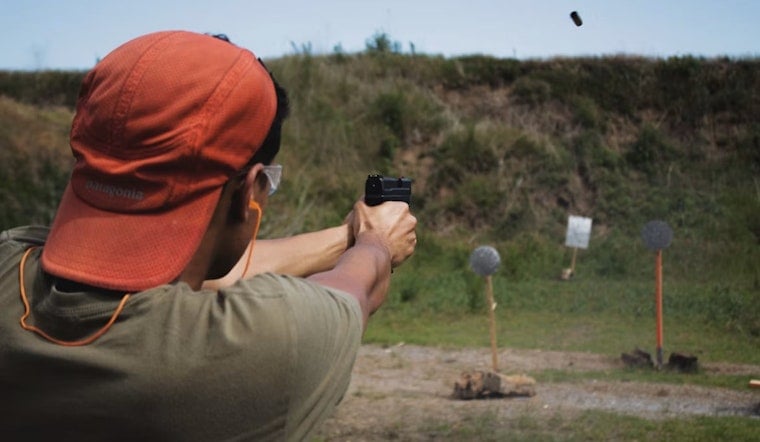
At gun ranges and community centers across Denver, Jewish residents are lining up for firearms and self-defense training, saying a surge in antisemitic violence has left them feeling exposed. Facilities that once catered mostly to veterans and hobbyists are now welcoming seniors and first-time shooters who say concern for personal safety pushed them through the door. The shift reflects a broader change in how Jewish communities in Denver and nationwide think about day-to-day security.
Colorado trainers report that Jewish clients are booking lessons in record numbers. At SAAf Tactical, many of the new students span a wide age range and include people who have never handled a gun before, and organizers have helped launch neighborhood defense groups to build local capacity. Instructors describe a potent mix of fear and a desire for agency among participants, according to Denver7.
Numbers Back Up The Jitters
Local worries track with national data showing antisemitic incidents remain far above pre-2023 levels. The ADL recorded 6,274 antisemitic incidents in 2025, a drop from the 9,354 incidents logged in 2024 but still significantly higher than in previous years. The organization also warns that assaults and attacks involving deadly weapons rose in 2025, a trend community leaders say helps explain the move toward training and preparedness.
Institutions Step Up Security Without Shutting Down Life
Jewish organizations in Denver have moved beyond basic precautions, adding situational-awareness workshops, security staff and new infrastructure. The Denver JCC reports it is running "BeAware" trainings and collaborating with communal partners to pay for upgrades and lessons for staff and families, according to JCC Denver. Leaders emphasize that the goal is to keep programs open and welcoming while reducing risk, not to turn everyday Jewish life into something that feels militarized.
Clubs Give Nervous Newcomers A Place To Learn
Across the country, small Jewish shooting clubs have formed to meet demand from people who never pictured themselves owning firearms. One of the faster-growing examples, Lox & Loaded, now reports thousands of members and dozens of chapters and has expanded its training partnerships to help first-time shooters get comfortable and safe, according to The Forward. Organizers say participants are largely driven by concerns about safety and community defense rather than partisan politics.
Violent Attacks Turn Anxiety Into Action
High-profile attacks and attempted attacks have hardened resolve in communities that once relied almost entirely on law enforcement. The 2025 shooting outside the Capital Jewish Museum in Washington, D.C., and the March 2026 ramming and shooting at Temple Israel in West Bloomfield, Michigan, are among the incidents that pushed synagogues and neighborhoods to strengthen security, according to reporting from Washington Jewish Week and The Guardian. Those events, some involving firearms and explosives, forced many organizations to revisit emergency plans.
Training Comes With Strings And Safeguards
Security professionals and communal leaders say any increase in training has to be matched with strict safety rules and clear policies for storage and for when weapons may be carried. "We're trying to empower people to get their freedom back," trainer Daniel Jacobson told Denver7. At the same time, other experts caution that more guns in homes can create new risks that must be managed through education, oversight and layered responses such as secure lockups, drills and vetted security teams.
What It All Adds Up To In Denver
For many Denver families, the calculation is straightforward: gain skills now rather than wait for a crisis. National advocacy and security funding have shifted too, with the ADL noting gains in federal support for nonprofit security grants, but local leaders say preparedness and community cohesion remain the true front line. As instructors and synagogues expand their programs, organizers hope to strike a balance so safety measures do not overwhelm daily life, and Jewish institutions can continue to operate openly and without fear.



