

























































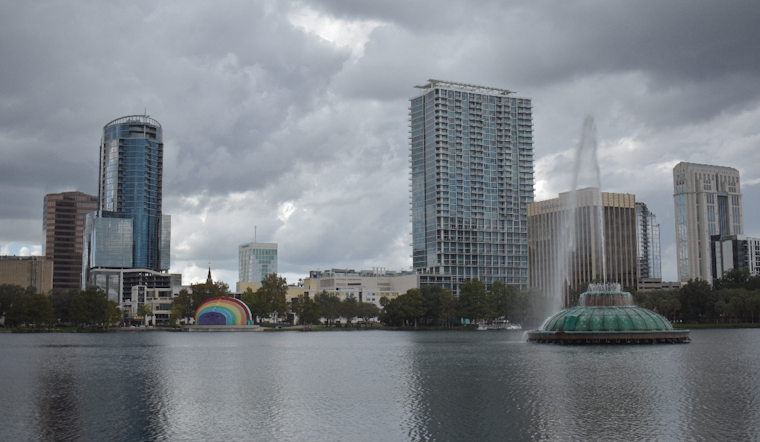
Orlando is starting Saturday, July 4, 2026, already sticky and steamy, sitting in the mid 70s around 77°F with thick humidity hanging in the air. By afternoon, highs are expected to climb into the low 90s, and that moisture will push heat index values into the 102–107°F range. The setup spells a widespread Moderate to Major heat risk across the metro, so this is not the day to skimp on water or shade.
Afternoon Storms And Timing
Scattered showers and thunderstorms are likely after noon, with coverage building through the afternoon and peaking roughly between 4 and 7 p.m. Weak steering flow means storms could drift lazily or even stall, which is when things get messy. Some cells may drop brief, heavy downpours, fire off frequent lightning, and kick up localized damaging wind gusts to around 45–50 mph. That combo could trigger short-lived nuisance flooding on urban streets and slow down outdoor Fourth of July plans.
Heat And Beach Risks
The National Weather Service in Melbourne is flagging a High rip current risk at Volusia and northern Brevard beaches north of Cape Canaveral, with a Moderate risk continuing along the coast to the south. The office is also calling for a Moderate to Major HeatRisk across east central Florida, with peak heat indices again near 102–107°F. Lifeguards and beachgoers are urged to follow the posted beach flags and stay out of open water when storms are nearby, according to the National Weather Service in Melbourne.
What To Do
If you have outdoor plans, consider shifting events earlier in the day or lining up an indoor backup, and keep a close watch on radar. When thunder roars, go indoors and wait at least 30 minutes after the last rumble before heading back outside. Stay hydrated, check with lifeguards before heading into the surf, secure loose outdoor items ahead of any gusty storms, and be ready for brief, storm-related traffic slowdowns around the metro.





