

























































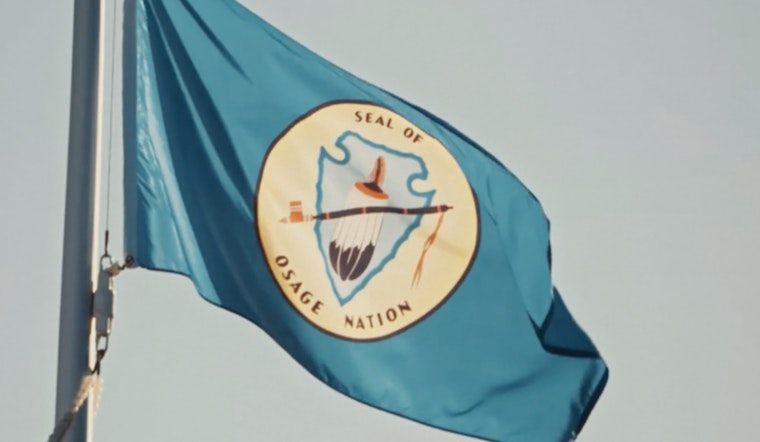
On July 25, 2026, the Osage Nation asked the U.S. Court of Appeals for the Tenth Circuit to revisit its 2010 Irby ruling and declare that the Osage Reservation, which the tribe says covers all of Osage County, was never disestablished. The filing, in a case captioned Osage Nation v. Taylor, argues that Irby leaned on extratextual historical inferences that do not square with the Supreme Court’s McGirt decision. If the court agrees to reopen the issue, it could rework who prosecutes certain crimes and who regulates key pieces of land across the county.
The Nation’s motion urges the court to vacate Irby and apply the text-first method laid out in McGirt, according to NonDoc. In its brief, the tribe says the Irby panel put too much stock in bargaining history and later narrative accounts instead of using the clear-statement approach McGirt requires. The lawyers for the Nation are blunt about what they want from the Tenth Circuit: throw out the earlier judgment and recognize the reservation as still in place.
In a press release, the Osage Nation said the motion "gives us a chance to fix those flaws" and stressed that, from the tribe’s perspective, Congress never disestablished the reservation, according to Osage Nation. The filing leans heavily on the U.S. Supreme Court’s McGirt v. Oklahoma opinion, available from the Supreme Court, which instructs judges to start with the words of Congress when deciding whether a reservation has been disestablished. The Osage brief says that framework undercuts Irby’s use of broader historical context, making McGirt the centerpiece of the Nation’s latest legal push.
Legal background and recent rulings
The Tenth Circuit’s 2010 ruling in Osage Nation v. Irby found that Congress had implicitly disestablished the Osage Reservation, pointing to the Osage Allotment Act and historical negotiations as support, according to the opinion published by FindLaw. That precedent has cast a long shadow in state court. In April 2024, the Oklahoma Court of Criminal Appeals in McCauley cited Irby to reject a defendant’s claim that McGirt restored tribal criminal jurisdiction in Osage County, according to Justia. Critics of Irby say the decision leaned too much on demographic shifts and historical commentary instead of the clear-statement test that McGirt elevated.
Where the case goes next
The Tenth Circuit could decide to resolve parts of Osage Nation v. Taylor on narrow procedural grounds, a path that would allow the judges to answer limited questions without fully reopening the issue of reservation boundaries, according to Law360. Earlier this year, a federal judge declined the Nation’s request to formally confirm the reservation but outlined a refiling path that tribal leaders described as a "roadmap," KOSU reported. Oklahoma Attorney General Gentner Drummond has publicly defended Irby and told Osage News he believes the 2010 decision got it right.
Why it matters for Osage County residents
If the Tenth Circuit or a later court vacates Irby and agrees the reservation still exists, the Supreme Court decision in McGirt v. Oklahoma indicates that the Major Crimes Act would apply on those lands. That would mean federal or tribal authorities, not the state, would handle certain major offenses committed by tribal members there. Beyond criminal cases, renewed recognition of reservation status could ripple into taxation, land use and regulatory oversight in parts of Osage County, the same flashpoints that sparked the Nation’s original litigation and continue to surface in court filings.
The new motion tightens the spotlight on a legal fight that has been steadily unfolding across Oklahoma since McGirt. Until the Tenth Circuit responds to the Osage Nation’s request, residents and local officials should expect more hearings, more briefs and more uncertainty over which government has the final say on criminal prosecutions and land regulation in Osage County.




