

























































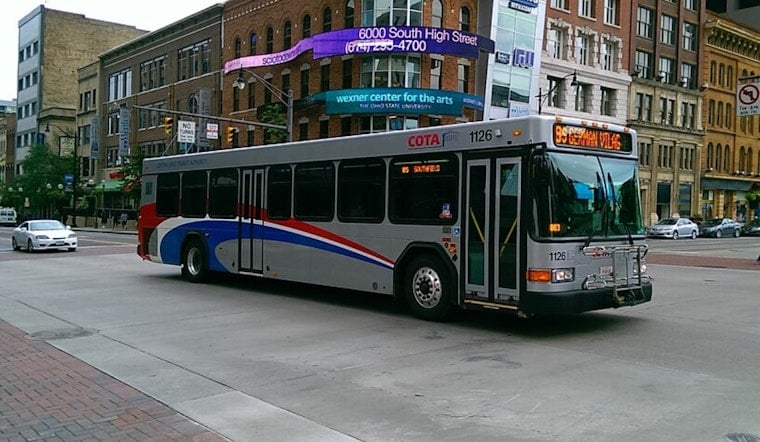
A Central Ohio Transit Authority mechanic pulled in more than $228,000 in overtime during 2025, public payroll records show, putting him among COTA’s top earners despite holding a nonexecutive title. The eye-catching total has renewed questions about staffing levels, parts shortages, and how hard the agency is working to keep buses on the road while it modernizes its fleet. The mechanic, a union officer, collected far more in extra pay alone than many line mechanics make in base wages.
Payroll records and the name
According to The Columbus Dispatch, payroll data list vehicle maintenance worker Bobby Berryhill as having logged more than $228,000 in overtime in 2025, which placed him among COTA’s highest-paid employees that year. The Dispatch review notes that those totals reflect gross pay categories and can include base salary, overtime, and other payments.
Why overtime piled up
COTA board minutes show that in July 2025 the board approved a Vehicle Maintenance Operational Assessment to dig into staffing, training, and parts supply shortfalls after reliability problems with newer buses began to strain the garages. The minutes state that those issues have “impacted pull out, and fleet challenges, primarily with keeping battery electric buses in service,” and they point to staffing and parts availability as drivers of extra hours for technicians. According to COTA board minutes, the EFESO review was requested in the middle of those pressures.
Union role and overtime rules
Berryhill is listed as the financial secretary-treasurer of TWU Local 208, the union that represents many COTA mechanics. The authority’s contract with Local 208 spells out overtime pay and assignment rules and shows how senior or qualified technicians can pick up additional work and be paid at overtime rates, according to the union contract.
How this compares across public payrolls
Overtime-driven pay spikes show up across the region’s public payrolls, not just in transit, which helps put unusually large single-employee totals in context. Reporting on an overtime surge in Gahanna police and fire notes that gross pay totals can be boosted by overtime, stipends, and one-time payouts, factors that can push a small number of employees near the top of agency pay lists.
What happens next
COTA’s board has asked EFESO’s operational review to recommend fixes for staffing, training, and parts procurement with the goal of cutting down on reliance on heavy overtime. Trustees are expected to receive the consultant’s findings at a future meeting, where any proposed policy or staffing changes will be discussed in public, according to COTA board minutes.





