

























































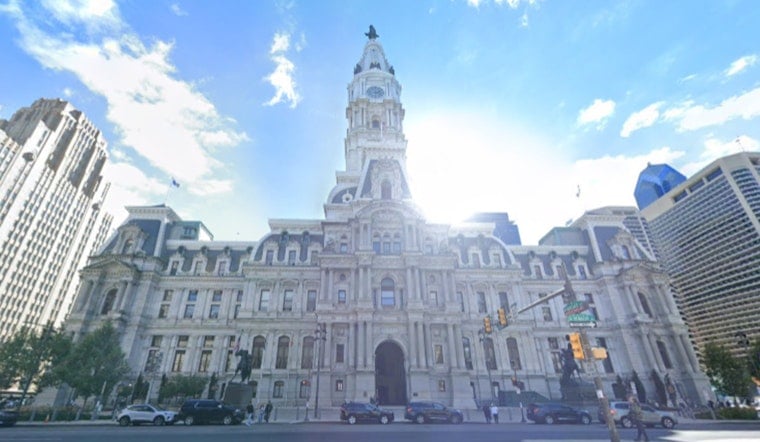
State lawmakers are pushing a sweeping plan to wipe out school property taxes for homeowners, landlords and businesses, and they made their case during a telephone town hall on Wednesday, July 1. The proposal would not cut what schools receive overall. Instead, it would swap out billions raised through local property tax bills for higher state income and sales taxes. Backers say that shift could ease mortgage escrow payments and make housing more affordable. Critics warn it could load more of the burden onto lower-income families and scramble how districts build their budgets.
What the bill would change
The proposal is bundled in the School Property Tax Elimination Act, made up of Senate Bill 962 and its companion, House Bill 1649. Under those measures, school districts would be prohibited from collecting property taxes and would instead be funded through a new mix of state and local taxes.
The plan would allow a local personal income tax increase of up to 1.88 percentage points and add 2 percentage points to the state sales and use tax. It would also broaden what gets taxed under the sales tax in certain categories. All of that new revenue would flow into a School District Property Tax Elimination Fund, which would then distribute money through counties to local districts. The detailed mechanics and distribution rules are spelled out on LegiScan.
How lawmakers are pitching the change
Sen. Dawn Keefer and Rep. Wendy Fink used the telephone town hall as part of a broader outreach push, arguing that the tax swap would shrink mortgage escrow payments, fuel economic growth and steer more money into urban districts. Keefer’s office says the bill would deliver roughly $300 million in new funding to Philadelphia schools in the first year and notes that, for one year, landlords would be required to pass along their property tax savings to tenants, according to Sen. Keefer.
The Independent Fiscal Office’s Sept. 8, 2025 response letter, requested by lawmakers for technical analysis, shows that the net impact at the county level varies widely and highlights how Philadelphia’s Act 1 allocation is treated in local accounting. That treatment can muddy simple talking points about which areas “win” or “lose” under the proposal; the full discussion appears in the Independent Fiscal Office.
Who gains and who might pay more
Supporters argue that homeowners and small businesses stand to benefit the most from scrapping school property taxes, and that tenants could see at least short-term rent relief because of the bill’s pass-through requirement on landlords. They say shifting the tax mix will stabilize school funding and unshackle local real estate from large recurring tax bills.
Opponents, including teacher unions and several policy groups, counter that leaning more heavily on the sales tax risks creating a more regressive system that lands hardest on low-income households. They also point out that the new funding formulas would play out differently depending on each district’s mix of taxpayers and students, leaving some communities potentially worse off.
Organizations such as AFT Pennsylvania have formally lined up against the plan. Economic modelers who ran REMI scenarios have likewise urged a closer look at the assumptions that underlie the proposal; their work is summarized by REMI.
Next steps and local hearings
For now, the measures are still working their way through the legislative pipeline. SB 962 was introduced in 2025 and sent to the Senate Finance Committee, where it would still need to clear committee votes, potential amendments and additional fiscal hearings before reaching the full chamber, according to LegiScan.
Lawmakers say the telephone town halls are the opening phase of a statewide outreach effort. Residents can find sign-up details and schedules on event pages, including those listed by Sen. Keefer.
What to watch in committee
If the bills advance, several technical questions are expected to dominate hearings. Among them: which forms of retirement income would be pulled into the personal income tax base, exactly which goods and services would be added to the sales tax base, and how the replacement state dollars would be allocated among school districts.
The Independent Fiscal Office has modeled many of these issues, and the Pennsylvania Department of Education tracks property-tax-related allocations under Act 1. Together, those data sets will likely shape how lawmakers and school officials judge the tradeoffs in the proposal. For detailed allocation information, see the Pennsylvania Department of Education.
The July 1 telephone town hall made it clear that this fight will not be confined to committee rooms. Expect arguments over the School Property Tax Elimination Act to play out in hearings, in the press and at neighborhood meetings. Residents who want to track every twist can read the full bill text on LegiScan and sign up for future town halls listed by lawmakers, including events posted by Rep. Wendy Fink.





