

























































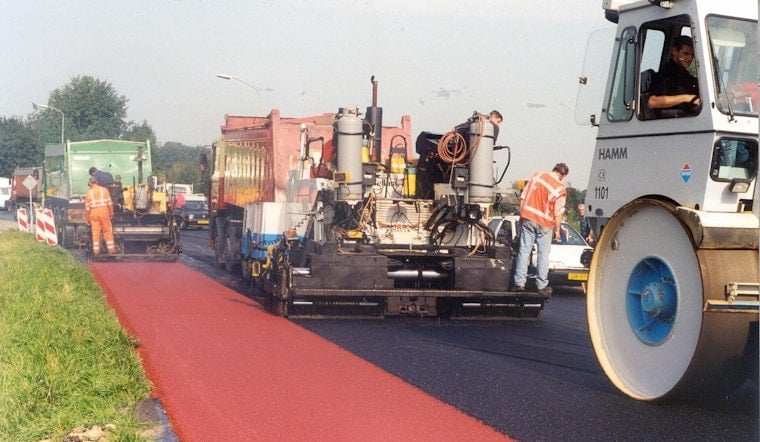
Pacoima's streets just wrapped a yearlong science experiment, and the verdict is in: lighter-colored pavement can take some serious heat off the neighborhood. In some spots, the treated surfaces ran more than 16°F cooler than regular black asphalt, and the air just above those roads also dipped, though by a smaller margin. It is not a miracle cold snap, but it is a promising tool as the San Fernando Valley stares down yet another blast of triple-digit heat.
The cool pavement project covered more than 700,000 square feet across roughly 18 blocks around Hubert H. Humphrey Memorial Park, using a solar-reflective coating called DuraShield-SR. The New York Post highlighted the results as Los Angeles scrambles for practical ways to dial back the urban heat island effect.
What The Pacoima Experiment Actually Measured
Researchers tracked the neighborhood for 12 months with an arsenal of tools that included weather stations, satellite imagery, drones, thermal sensors and an instrumented electric golf cart. The peer-reviewed Environmental Research Communications study found that surface temperatures on coated street segments dropped by as much as 16°F compared with nearby stretches of standard asphalt.
During a September 2022 heat wave, ambient air temperatures on some treated streets came in up to 3.4°F lower. On more routine hot summer days, the cooling bump shifted depending on location and conditions, but the researchers still logged meaningful reductions in pavement temperatures and in several measures of how much heat pedestrians were exposed to.
The Big Number Comes With A Necessary Asterisk
That headline-grabbing 16°F figure applies to the pavement itself, not the feel of the entire neighborhood. Pacoima did not suddenly become a different climate zone. The air temperature improvements were smaller and moved around based on wind, sun angle, street layout and the mix of surrounding surfaces.
The team also checked out the common worry that reflective pavement might create blinding glare or make people on the sidewalk feel hotter by bouncing sunlight around. The study reported no major glare issues, and its broader results suggested that, in the monitored areas, the cooling payoff outweighed those concerns. Even so, the authors were clear that reflective pavement is a supporting player, not a replacement for trees, shade or access to air-conditioned indoor spaces.
Another Heat Test Is Already On The Calendar
The timing could not be sharper. The National Weather Service forecast for the nearby Whiteman area calls for a high near 102°F on Friday, 101°F on Saturday and 99°F on Sunday, with an Extreme Heat Warning in effect from Friday through Sunday. For residents, that is a reminder that the neighborhood's blacktop is not just an eyesore or a driving surface, it is a giant heat battery that stores warmth and can keep radiating it well after the sun starts going down.
Climate Resolve and other project partners describe Pacoima as one of the hottest corners of Los Angeles and say the community has long been shortchanged on climate investments. The coating went onto streets as well as playgrounds, basketball courts and parking lots, turning the effort into a neighborhood-scale test instead of a single showpiece block.
Cool Pavement Is One Piece Of L.A.’s Heat Strategy
Los Angeles is also chasing shade trees, shade structures and cooler bus stops as part of a broader plan to make heat-choked neighborhoods more survivable. Hoodline previously reported on the city's push for tree packed streets and shady bus shelters, with a particular focus on the Northeast San Fernando Valley.
Pacoima's early returns suggest that simply changing the color and reflectivity of the ground can nudge temperatures in the right direction, especially during the most punishing hours of the day. The larger takeaway is less about one magic coating and more about stacking defenses, from shade and trees to cooler surfaces and heat-response services, before the next brutal forecast lands.



