

























































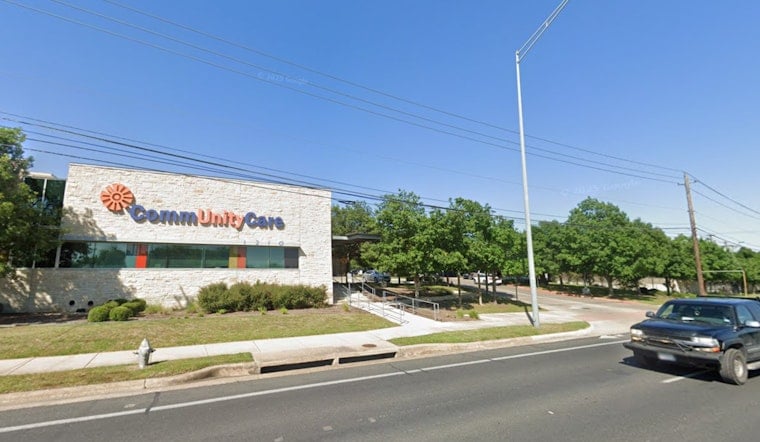
An arrest in a clinic parking lot has Austin health providers and patients on edge.
CommUnityCare Health Centers says it is weighing how to respond after Immigration and Customs Enforcement agents detained a woman in the parking lot of a north-central clinic following a doctor’s appointment. The encounter, which unfolded just steps from a medical facility, prompted protesters to gather outside the Travis County administration building and has stirred fresh concern among patients who depend on the system for primary care. Clinic leaders and community organizers say the incident is already driving up no-shows and appointment cancellations.
The detention was confirmed at a Central Health board meeting, where trustees were told CommUnityCare is "looking at options" to protect patients and staff after the encounter outside the clinic. CommUnityCare leaders stressed the organization does not participate in immigration enforcement and said the person was detained after leaving a medical visit, according to KXAN.
Clinic leaders push back
At the board meeting, chief medical officer Dr. Nicholas Yagoda tried to draw a bright line between health care and immigration enforcement.
“CommUnityCare does not participate in immigration enforcement,” he told the board, adding that the organization does not believe its health centers are being specifically targeted. He also said staff have noticed an uptick in patients not showing up for appointments, a trend that could worsen health disparities if it continues, according to KXAN.
Who the clinics serve
CommUnityCare’s FY25 annual report shows the system served about 148,000 unique patients last year and that 71% of patients identify as Hispanic. The report also notes that nearly all patients who reported income live at or below 200% of the federal poverty level and that more than half are uninsured, numbers that make trust and uninterrupted access to care especially vital for the clinics’ population, according to CommUnityCare.
Federal enforcement and community concern
National enforcement changes have added to local unease. The Department of Homeland Security has promoted a program offering up to $2,600 and a free flight to people who use the CBP Home app to voluntarily leave the country, a move advocates say signals aggressive enforcement priorities. For more details, see the Department of Homeland Security.
Local organizers and clinicians have raised alarms about increased ICE activity in Central Texas and warned that visible enforcement near clinics can deter patients from seeking care, as reported by regional coverage and community meetings. For recent context on immigration enforcement and local response, see reporting from KUT.
In the wake of the parking-lot detention, CommUnityCare officials say they are evaluating steps that could include clearer patient alerts, staff training, signage and closer coordination with community partners to help patients feel safe coming in for care.
Advocates note that formal federal guidance that once discouraged enforcement at so-called sensitive locations like hospitals and clinics was rescinded in 2025, leaving providers to develop their own responses. Legal advisories outline how clinics can prepare and what rights patients retain, including planning and patient protections described by Arnold & Porter.
Community leaders say they will press county and city officials for measures that limit enforcement near sites of care while preserving public safety, arguing that patients should not have to choose between seeing a doctor and risking an encounter with immigration agents.




