

























































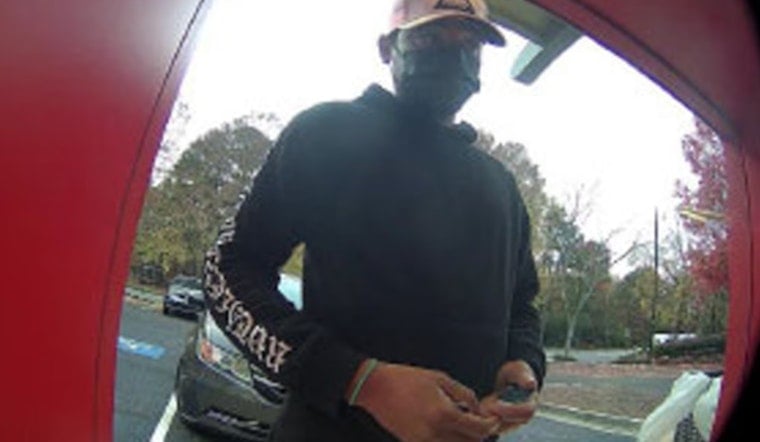
Today, July 16, the beat finally stopped for a former Afrobeats performer who went by NPZ. A federal judge in Cleveland sentenced 43-year-old Chinedu Opute to six years in prison for a fake-invoice scheme that prosecutors say pulled in about $1.7 million and hit a mix of businesses and public entities, including the city of Parma Heights. Officials say the case centered on hijacked email accounts, stolen identities and diverted vendor payments quietly funneled into accounts controlled by the scheme’s players.
The U.S. District Court judge in Cleveland also ordered Opute to pay roughly $1.4 million in restitution to three victims, fined him $15,000 and imposed three years of supervised release after prison. As reported by Cleveland.com, defense attorney Marcus Sidoti told the court that Opute has schizophrenia, had no prior criminal record and accepted responsibility. Prosecutors, for their part, noted that he now faces likely deportation.
According to federal court records, a grand jury returned an indictment in April 2025 charging Opute with conspiracy to commit mail and bank fraud, multiple counts of wire fraud, conspiracy to commit money laundering and aggravated identity theft. He was arrested near Atlanta on April 29, 2025. The indictment and related filings spell out the government’s version of events, detailed in a court memorandum available at Leagle.
How prosecutors say the scam worked
Court filings describe a fairly modern playbook: the conspirators phished employee email accounts at targeted organizations, then impersonated legitimate vendors and sent bogus invoices that caused real payments to be rerouted into accounts they controlled. The court noted that redirecting funds in small amounts reduces the risk that suspicious financial activity will be detected, and described how stolen identities, multiple bank accounts, and rapid micro-transfers were used to layer and move the money. That structured layering, combined with identity theft, was one reason the court treated the conduct as especially serious, aggravated identity theft carries a mandatory consecutive prison term under federal law, the filings state.
Local fallout
Records reviewed by Cleveland.com show Parma Heights alone lost about $504,000 in the scam. A Bedford construction company was out roughly $337,000, and an Everett, Washington, car dealership lost $250,000. Prosecutors say five additional victims were hit for smaller amounts. They estimate Opute personally pocketed between $510,000 and $680,000, using the stolen funds on high-end purchases that included a $100,000 Range Rover, an expensive Rolex watch, and a $200,000 down payment on a home outside Atlanta.
Why it matters
Business-email-compromise schemes like this are not a quirky one-off, they are a major nationwide headache. The FBI’s Internet Crime Report logged about $2.77 billion in BEC-related losses in 2024, a figure that helps explain why cities, contractors and vendors are tightening invoice procedures and verification checks. The FBI also urges victims to contact their banks immediately and file complaints with the Internet Crime Complaint Center (IC3), the agency’s annual report and guidance outline next steps for reporting and potential recovery, according to the FBI.
Opute will serve his six-year federal sentence before beginning three years of supervised release, during which restitution and collection efforts will continue. Prosecutors say they plan to pursue recovery where they can. The criminal case is over, but the immigration consequences for Opute will be decided after he finishes his time in federal custody.





