

























































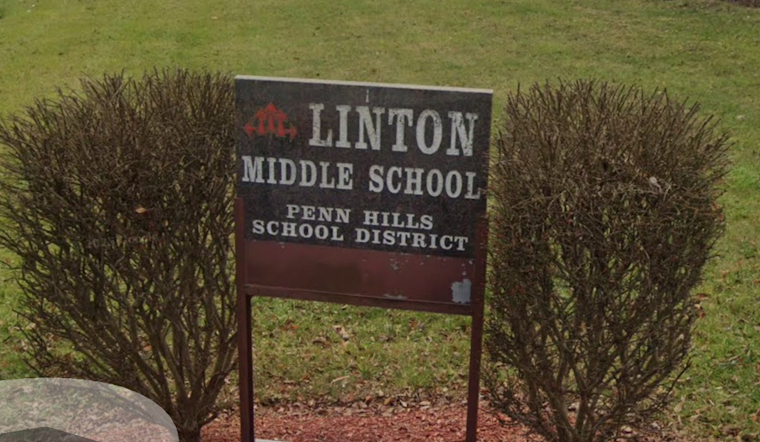
Penn Hills homeowners will be paying a bit more in school property taxes next year after the Penn Hills School Board signed off on a 1-mill increase, roughly 3.1%, for the 2026–27 school year at its regular public meeting last Wednesday. The move raises the district millage to 32.5965 mills. Board members said the hike is designed to shore up reserves and cover recurring costs, describing it as a relatively small hit now aimed at avoiding deeper cuts in future years.
Budget By The Numbers
The district’s final general-fund budget for 2026–27 comes in at nearly $110 million, with local property taxes expected to generate almost 41% of total revenue, a little less than $45 million. Instruction and programs are projected to account for about 36% of spending, roughly $40 million, as reported by TribLIVE. District leaders told the board those revenue and expenditure projections drove the decision to raise the millage instead of drawing down reserves more aggressively. Board members stressed that the goal is basic fiscal stability rather than launching new initiatives.
Recovery Work, Explained
Officials framed the increase as one step in a multi-year recovery plan that focuses on rebuilding reserves and tightening fiscal controls. District communications note that Dr. Daniel Matsook has served as chief recovery officer, leading that effort since the state ended the district’s formal recovery status in 2024, and the district’s recovery materials outline the actions taken to restore the fund balance. Administrators say the board’s vote is meant to protect core programs and staffing while gradually improving the district’s overall financial position.
What Homeowners Will Pay
For a homeowner with the district’s median assessed property value of $70,200, the new rate increases the school tax bill from about $2,218.07 to roughly $2,281.75, an uptick of $63.68. “Without the tax increase the district's fund balance will be depleted by the 2030-31 school year,” Chief Recovery Officer Dan Matsook told the board, according to TribLIVE. Supporters of the increase argued that this per-household bump is preferable to larger cuts in programs or staff later on.
Vote And Next Steps
The budget and millage resolution were approved at the regular public meeting, and the adopted documents, agendas and minutes are posted on the district’s BoardDocs portal for anyone who wants to drill into the details. The board recorded the final action as an 8-0 roll call, with one director absent. District staff said they will now move ahead with tax-bill calculations and routine implementation, and officials pledged to keep monitoring the fund balance and return to the board with updates if financial conditions shift.
How This Fits State Rules
Pennsylvania law requires school districts to adopt final budgets by June 30, with new tax rates taking effect at the start of the fiscal year. That timeline means the district’s 2026–27 spending plan takes effect July 1 under state rules. The state’s Act 1 calendar lays out key deadlines for budget adoption, referendum exceptions and state property-tax allocations, and residents who want more detail can consult that guidance. District officials are encouraging taxpayers to review the posted budget materials and contact the administration with any questions.





