

























































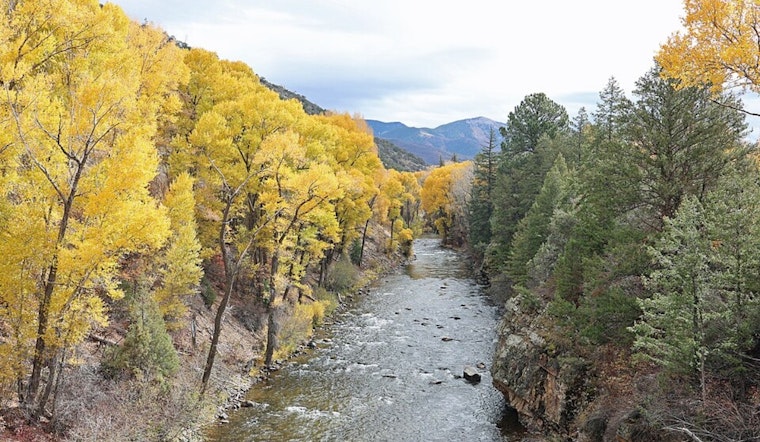
Pitkin County commissioners have given a preliminary green light to spend $442,500 on a tiny batch of Twin Lakes water shares aimed at propping up flows in the upper Roaring Fork River. The 4.68 shares equal roughly 3.5 acre‑feet, a relatively small amount that county staff says could be released from Grizzly Reservoir into Lincoln Creek when the river is running low. The move is the latest piece of a broader "buy the water back" push, and it is sharply dividing commissioners and the citizen Healthy Rivers advisory board over whether the price tag matches the payoff.
Small shares, steep price
On first reading, the Board agreed to spend $442,500 to acquire 4.68 shares from the Twin Lakes Reservoir & Canal Company, which staff estimates at about 3.5 acre‑feet of water. According to Aspen Journalism, the deal would simply tack a few more shares onto earlier county purchases meant to nudge more headwaters water back into the Fork.
Part of a larger $6.5 million strategy
This mini buy follows a January agreement in which Pitkin County signed on to spend about $6.5 million to pick up 60 Twin Lakes shares and 34 Fountain Mutual shares, a package worth roughly 71 acre‑feet. The county is financing that larger purchase with Healthy Rivers revenues and an anticipated bond issue. In a county press release, officials said about 45 acre‑feet of that total represents Western Slope water that has been sent east through the Twin Lakes transmountain system, and that the county intends to release the water in a targeted way during irrigation season to help the Fork when it is stressed, as per Pitkin County.
Why some advisors say the math doesn't add up
Roughly 40% of the Roaring Fork’s headwaters are currently piped to the Front Range through tunnels and reservoirs, a pressure point highlighted by the Roaring Fork Conservancy, and that scarcity is a big reason the county is trying to buy water back. The Healthy Rivers board, however, recommended against this latest Twin Lakes purchase. In a motion described by Aspen Journalism, members estimated the added yield could translate to only about 1 cubic foot per second for two days and warned that paying top dollar for such a short-lived bump could weaken the fund’s long-term balance. County Budget Director Connie Baker told commissioners the program may need to trim or shift roughly $500,000 in next year’s spending plan to absorb this year’s water buys, and Healthy Rivers board member Ned Andrews urged a deeper analysis before more major checks go out the door.
Where the water would come from and how it would be used
County staff says the extra shares, like the earlier batch, could be released from Grizzly Reservoir into Lincoln Creek so that more water ultimately reaches the Roaring Fork during irrigation season lows. That playbook is complicated by ongoing drawdown and rehabilitation work at Grizzly, which the county has warned could affect release patterns and temporarily discolor Lincoln Creek, according to a county advisory.
What’s next
The ordinance and accompanying resolution cleared first reading and are now headed to a public hearing and second reading on July 22, when commissioners will take public comment and could vote to finalize the additional purchase. If the board pushes ahead, skeptics are poised to demand clearer numbers that show how much real flow boost the county is buying for nearly half a million dollars.
Bottom line
Supporters argue that any realistic chance to move a bit of headwaters water back into the Roaring Fork is worth the price. Opponents counter that the county is burning through cash for only marginal, short-term gains and exposing the Healthy Rivers fund to future constraints on broader river projects. That tug of war will come to a head at the July hearing, when residents, anglers, and river advocates get their shot at pressing commissioners for the hard data behind the deals.





