

























































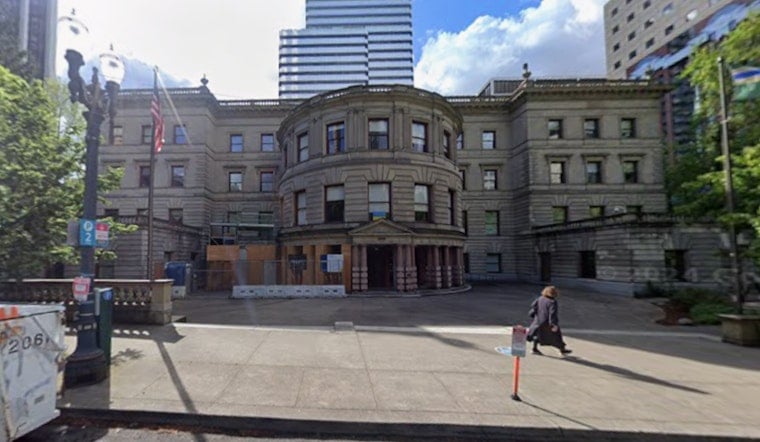
After a yearlong pause, Portland is gearing up for a fresh round of foreclosures on long‑neglected and problem properties across the city. Revenue Division staff plan to put 15 addresses in front of the Housing and Permitting Committee on Tuesday, aiming to collect unpaid code‑enforcement liens and nudge vacant, distressed buildings back into use. Neighbors and advocates say the move could finally clear out some stubborn public‑safety headaches, while critics warn that foreclosure can displace tenants and drag out legal battles.
The 15 properties carry 47 code‑enforcement and nuisance‑complaint liens totaling roughly $1,494,275, according to OregonLive. That report says Revenue officials will lay out the list for the five‑member committee and notes that at least one St. Johns parcel was pulled after its landlord entered a payment plan with the city. If the referrals are ultimately approved by City Council, the ordinances would clear the way for the properties to be scheduled for auction unless owners pay up or successfully redeem their accounts.
City Council records for one of the largest cases show 7101–7103 SE Division St. carries two liens recorded in 2009 that together total $430,219.01 as of June 30, 2026, and Revenue staff are recommending foreclosure after repeated nonresponse from the recorded owner. The report describes dozens of police calls in and around the site, along with unlawful occupants, trash and overgrown yards, and it notes that owners can still redeem a property by paying the full redemption amount before a sale. These findings are outlined in City of Portland council documents.
Why The City Is Stepping Up
Newsroom data cited by OregonLive show nuisance complaints dropped by more than a third between 2013 and 2025, even as the city took longer on a median basis to close cases. City staff say that combination has stretched enforcement capacity thin. Local advocates such as Mike Liefeld told the paper they support more frequent foreclosures on especially problematic properties as a way to force cleanup. City officials, for their part, argue that foreclosure is a blunt instrument and is reserved for situations where abatements, waivers and payment plans have failed.
How The Process Works And When It Could Hit
Under Portland rules, the Revenue Division forwards recommended foreclosure lists to the Housing and Permitting Committee, and any ordinance that clears that committee still needs a vote by the full City Council before a sale can be scheduled. The city has not held a public foreclosure auction since June 16, 2025, according to the city’s foreclosure‑events page, and officials say sale proceeds are intended to cover lien balances, penalties and the costs of running the sale. In recent years the city has pulled properties off referral lists when owners entered payment plans, but staff maintain that foreclosure stays on the table when other routes to compliance fall short.
If the committee advances the current referrals, the ordinances would head to the full council for a final decision, and property owners would get a limited redemption window before any sale. For neighbors, that could translate into faster fixes at some trouble spots, but also months of legal and administrative limbo at others while owners appeal, pay or otherwise challenge the debts. Revenue staff say they will keep offering waivers and payment plans and that they still prefer voluntary compliance whenever they can get it.




