

























































Raleigh is betting that a cleaner fuel switch can squeeze more life—and less carbon—out of 10 city pickup trucks. Fleet Management Operations plans to convert up to 10 gasoline-powered trucks used by Parks, Recreation and Cultural Resources to renewable propane this year, a move the city estimates will save more than $100,000 over the vehicles’ lifecycles. It’s a small fleet experiment, but also a test of whether Raleigh can cut emissions from work trucks without waiting for electric replacements to catch up.
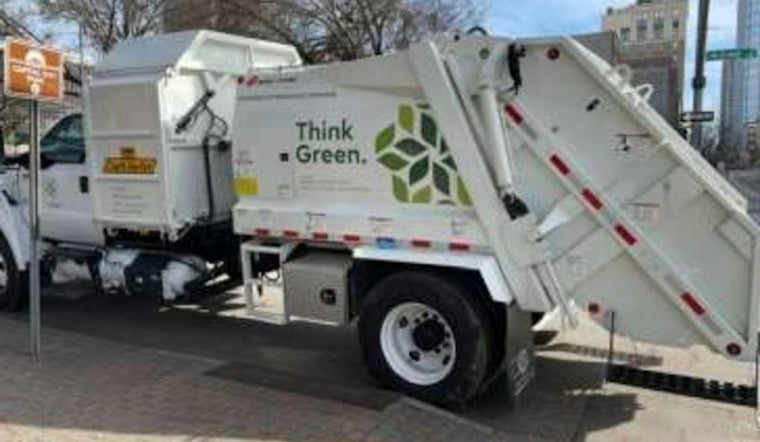
According to a recent update from the City of Raleigh, the project is funded by a $57,909 Clean Fuel Advanced Technology grant from the NC Clean Energy Technology Center at NC State University, along with a $35,400 match from PRCR. The city says the converted pickups will join roughly 94 municipal assets already running on renewable propane, including a garbage truck and six flatbed dump trucks.
The economics are doing some of the talking. The Raleigh News & Observer reports that Raleigh’s calculation used June prices of $1.05 per gallon for propane and $3.09 for gasoline, while estimating more than $100,000 in lifecycle savings from the 10 conversions. Fuel prices will move, of course, so the payoff is a projection rather than a permanent coupon.
Propane Is The Bridge, Not The Finish Line
Raleigh is pitching renewable propane as a bridge while electric technology catches up with larger, harder-working equipment. The city’s clean-fuels plan says transportation produces about 52% of community greenhouse-gas emissions, and the city is working to move a fleet of more than 4,700 vehicles and pieces of equipment toward electric power and cleaner fuels over the next decade. The city also says it is becoming the first local government in North Carolina to run large equipment on renewable propane.
The retrofit is designed to be less disruptive than replacing a truck outright. As the N&O explains, the conversion leaves the original gasoline tank in place, adds a propane tank where the spare tire usually sits, and lets the trucks run on either renewable or conventional propane; some start on gasoline and switch automatically. That flexibility matters because the emissions benefit depends on what fuel is actually pumped into the vehicle, not just on the decal.
Renewable propane is not the same thing as a zero-emission truck. The U.S. Department of Energy’s Alternative Fuels Data Center says the fuel is chemically identical to conventional propane and can be used as a drop-in replacement, while its lifecycle carbon intensity can be up to four times lower depending on the feedstock. Because the fuels are chemically identical, tailpipe criteria-pollutant emissions are comparable; the main climate advantage comes from how the fuel is made and counted across its lifecycle.
Raleigh’s fleet strategy is tied to an 80% citywide greenhouse-gas reduction target by 2050. These 10 pickups will not transform the fleet on their own, but they give the city something more useful than a slogan: a live test of whether a familiar truck can do cleaner work without a full electric makeover.



