

























































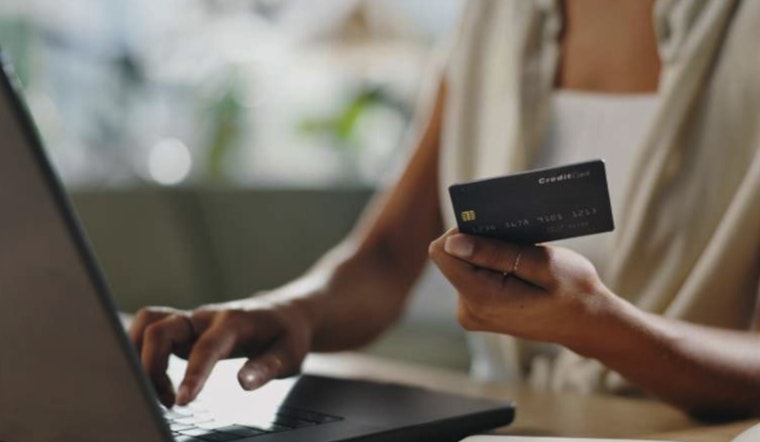
Starting Sept. 1, City of Raleigh customers who pay utility bills with credit cards, debit cards or many popular digital wallets will see something extra on their statements: a new 3% processing charge. The move lands right as the city’s latest budget kicks in, a spending plan that already nudges property taxes and utility costs higher for many households.
What’s Changing And When
The City of Raleigh has announced that beginning Sept. 1, a three-percent processing fee will be tacked onto credit, debit and digital wallet payments used for utility bills, according to the City of Raleigh. The notice specifies that PayPal, PayPal Credit and Venmo are among the digital wallets that will incur the surcharge and lists eCheck, mailed checks and cash as fee-free alternatives.
The city’s release also stresses that the fee "is set by the payment processor and may change over time" rather than being retained by the city itself. Customers with questions about their accounts or payment options are directed to Raleigh Water Self-Service.
Why The Move Now
City staff told The News & Observer that Raleigh has been absorbing card-processing costs for years but is now shifting those expenses to customers as vendor fees rise and budget pressures mount. A city spokesperson said the 3% charge is intended to cover what credit card companies bill to process payments, rather than generate extra revenue for the city.
According to The News & Observer, the city’s new budget and rate changes together could push an average household’s combined property tax and utility bills up by about $122 this year, so the new fee lands on top of other cost increases residents are already facing.
Developers Already Saw A Similar Change
Raleigh’s Planning and Development department quietly got a head start on this shift over the summer. As of July 1, it began charging a non-refundable 3.5% processing fee, with a $2.50 minimum, for permit and development-portal payments made by card, according to the department’s public notice. Local contractors effectively served as the test group, seeing the city step back from covering third-party payment costs for certain services before the broader utility change rolled out.
How To Avoid The Surcharge
For customers who prefer not to pay more, there are still ways around the new fee. Utility bills can be paid without the three-percent add-on by using eCheck or ACH bank transfers, mailing a paper check or paying in cash, as noted by The News & Observer.
Residents who are struggling with their bills are not completely out of options either. They can set up payment plans or apply for limited help through the city’s utility-assistance programs. For more details on available support and how to enroll, customers are directed to contact Raleigh Water Self-Service or customer care at 919-996-3245.
This Fits A Regional Pattern
Raleigh is not exactly out on a limb here. Other cities have already moved to pass card-processing charges along to customers, with a 2.35% utility-payment fee in Minneapolis reported earlier this year. State agencies are taking a similar route. The N.C. Division of Motor Vehicles notes that its online vendor charges both per-transaction and percentage-based fees for card payments, underscoring how government offices are increasingly leaning on third-party payment systems and passing those costs along.
If you usually pay your Raleigh utility bill by card, it may be time to give your settings a second look. Check your default payment method in Raleigh Water Self-Service and consider switching to ACH or bank bill-pay if you want to avoid the new fee. City officials say the charge is meant to cover vendor costs and could change over time, so keep an eye on your upcoming statements and contact customer care if anything looks off.




