

























































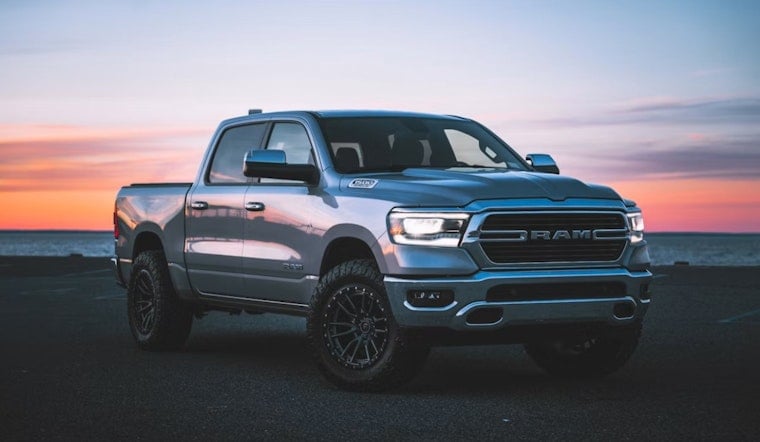
Ram pickups just hauled Stellantis to a rare bright spot in the U.S. second quarter, with truck buyers doing the heavy lifting while several of the company’s European-origin brands struggled to keep up. That split personality in the sales chart is more than a curiosity. It helps the automaker show a bit of traction under new leadership and has dealers and Detroit-area suppliers reading the tea leaves on production plans for the rest of the year.
Stellantis’ U.S. deliveries were up about 6% in the second quarter to roughly 328,284 vehicles, powered by Ram, whose sales climbed about 11% for the period. Chrysler’s small lineup reportedly surged roughly 80%, even as Jeep slipped about 5% and Dodge dropped 15%. Put together, the group still notched its fourth straight quarter of year-over-year U.S. growth, with first-half sales near 634,345 vehicles. Company executives told reporters they had found incremental market share gains, and CEO Antonio Filosa said the aim is gradual improvement each quarter as a tighter new-product schedule helps lift results, according to The Detroit News.
FaSTLAne 2030 and the Product Push
In May, Stellantis rolled out FaSTLAne 2030, a five-year strategic program that channels investment into high-return brands in North America and promises more than 60 new vehicles plus 50 significant refreshes. The company said it plans to invest roughly 60 billion over the period and is targeting about 35% more volume, 25% revenue growth and a 50% expansion in market coverage in North America by 2030, as outlined by Stellantis.
Ram’s Momentum vs. Jeep’s Headwinds
Ram’s momentum, helped by refreshed trims and the return of high-demand powertrains, kept showroom traffic flowing even as other badges lagged. The all-new Jeep Cherokee moved roughly 8,000 units in the quarter and slightly more than 10,000 so far this year, but that was not enough to keep the Jeep brand out of the red. Fiat and Alfa Romeo sales plummeted, underscoring how uneven the recovery remains across Stellantis’ portfolio, according to The Detroit News.
What to Watch Next
Stellantis’ short-term outlook now largely hinges on keeping production and dealer inventories in sync with growing demand for Ram and on hitting the rollout timelines promised in FaSTLAne 2030. Analysts and investors will be watching closely to see whether quarter-to-quarter momentum holds as new models land in showrooms, and whether management can turn this latest sales pop into durable market share gains.





