

























































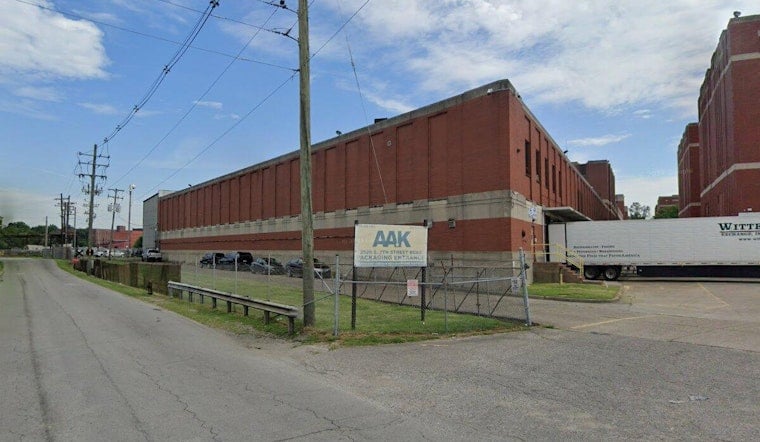
Newly obtained records are casting a harsh new light on the deadly explosion at the AAK vegetable oil plant in Shively on Sept. 21, 2025, which killed one employee. The documents describe alarms, maintenance notes and internal entries around the plant’s hydrogen conversion equipment that investigators now say point to problems that were not fully addressed. For neighbors and workers who had been raising concerns for months, the records revive long-standing questions about oversight and accountability at the site.
What the records show
According to the Courier-Journal, internal logs and interviews reviewed by the paper describe how maintenance worker Adam Goins monitored plant operations remotely after an alarm was triggered at the hydrogen unit. The outlet reports that the records include alarm histories, technician notes and other entries that appear to signal equipment trouble in the hours and days leading up to the hydrogen conversion work that came just before the blast.
The blast and emergency response
Fire crews from Louisville and Shively responded to a fire alarm at the plant and were directed to the scene of an exterior explosion that occurred during a hydrogen tank conversion process, where they found one worker with fatal injuries, according to WDRB. Authorities said the blast was contained to the outside of the building, and Louisville Metro Arson investigators are handling portions of the investigation.
Earlier warnings and inspections
The Shively facility was already on the radar of first responders before the 2025 fatal explosion. In December 2024, crews were called out to a fire on an exterior conversion tank that one account tied to burning cooking‑grade oil and another described as a hydrogen leak that prompted a HazMat response. The plant later drew regulatory attention as well, with the Occupational Safety and Health Administration opening a case in February that news reports say was ultimately closed without violations, according to WLKY. Those earlier incidents are now central to neighbors and local leaders who are asking why broader, systemic issues were not addressed before someone was killed.
Company response
AAK issued a public statement saying it was “deeply saddened” by the worker’s death and that the company cooperated with emergency services while shutting down operations in the affected area. The company also said it was reviewing what happened. AAK has stated that it is committed to learning from the incident and taking steps to prevent anything similar from occurring again.
Regulatory fallout
Some reporting mentioned investigations, but the sources do not specify any citation amount or penalty. Company officials told reporters the company was cooperating with investigators.
What comes next
Reporters say the newly reviewed records have intensified local demands for clearer oversight and for AAK to explain why alarms and internal logs were not followed by more decisive corrective action. Local officials say they plan to keep a close watch on the plant as state and local investigators complete their work. As the Courier-Journal’s reporting underscores, the documents have shifted this case in the public eye from an unavoidable tragedy to a pointed question about whether earlier intervention could have prevented a death.





