

























































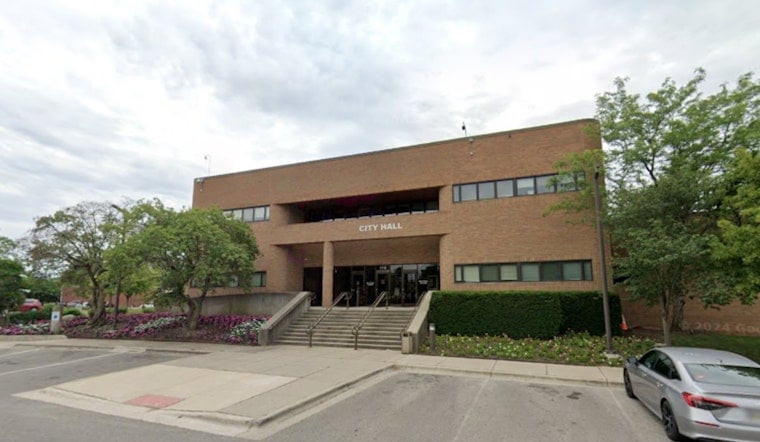
Reynoldsburg is officially tightening the screws on short-term rentals. On Monday, City Council signed off on a new ordinance that reins in platforms like Airbnb and Vrbo inside city limits, creating a permit system, adding annual fees, limiting how often homes can be rented, and banning quick one- and two-night stays. The law was adopted this week and is set to kick in on Jan. 1, 2027.
What the ordinance requires
Under Ordinance No. 46-2026, every short-term rental has to be registered with the city. Hosts must show that the unit is either their primary residence or that it is owned by the person registering, and they have to pay a $225 application fee. Registrations run through December 31 each year and must be renewed annually.
The application also has to spell out which booking platforms and advertising outlets are used and provide a local 24-hour contact for the property, so the city and neighbors know exactly who to call if something goes sideways.
Limits on guests, parking and stays
The new rules cap occupancy at two people per bedroom and restrict parking to what can fit in the garage, plus two vehicles in the driveway and two more on the street. Supporters say those limits are meant to head off big, noisy party houses before they start, according to WOSU Public Media.
The ordinance also sets a minimum stay of three nights for every booking. City leaders framed that change as a public safety move after complaints about pop-up party rentals and following a July 4, 2025, shooting at a Columbus short-term rental that left a 17-year-old dead, per reporting by Spectrum News 1.
Enforcement and penalties
The enforcement side of Ordinance No. 46-2026 is set up on a three-strikes model. A first violation terminates the registration and blocks the host from reapplying for six months. A second violation results in a one-year bar, and a third violation can cut off registration indefinitely.
Problems that can trigger suspension or revocation include noise that can be heard beyond the property line, going over the approved occupancy limit, excessive parking, delinquent city taxes, or guests entering private property within 500 feet without permission. On top of that, criminal penalties can reach up to $250 for a first offense and up to $1,000 for repeat convictions within two years.
Local market and next steps
Industry tracker AirDNA shows roughly 120–130 active short-term listings in Reynoldsburg as of June 2026, meaning dozens of operators will have to register their places and update online listings to match the new rules.
City officials say the goal is to protect neighborhood quality of life while still leaving room for what they view as responsible hosting. The mayor’s office will handle both registration and enforcement, according to WOSU Public Media.
What hosts should do now
For hosts, the homework starts early. They are being directed to review their booking calendars and platform listings, pull together records of past stays, line up a 24-hour local contact, and be ready to post a city-issued registration number on every listing once they receive it.
The new code formally takes effect Jan. 1, 2027. After that date, operating outside the rules risks administrative suspension and, for repeat offenders, criminal fines on top of losing the ability to rent at all.





