

























































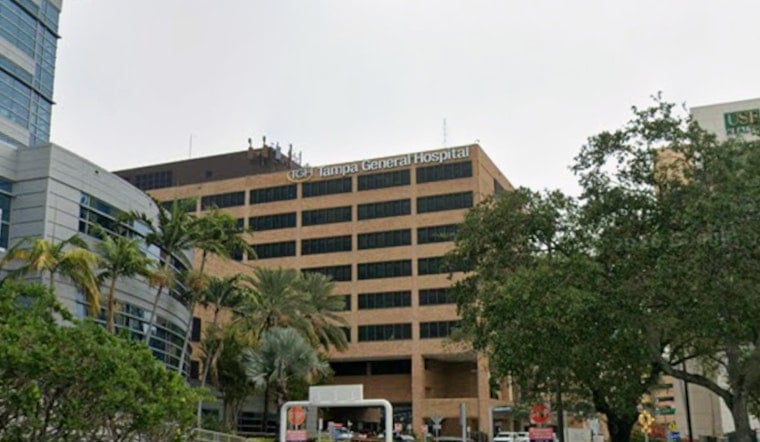
U.S. Health Secretary Robert F. Kennedy Jr. touched down at Tampa General Hospital yesterday to put some political weight behind a very unglamorous part of health care: the food tray. Tampa General is among the first hospitals in the country to sign the federal "Make Hospital Food Healthier" pledge, an initiative meant to clean up what shows up under those plastic domes.
The event doubled as a bit of a food‑policy roadshow. Kennedy stood alongside USDA Secretary Brooke Rollins, Tampa General President and CEO John Couris and celebrity chef Geoffrey Zakarian for a ceremonial signing that hospital leaders said capped a months‑long, chef‑led overhaul of patient menus. Tampa General is pitching the effort as a shift away from highly processed staples toward fresher, more nutrient‑dense meals meant to support recovery.
According to the Department of Health and Human Services, HHS and the Centers for Medicare and Medicaid Services rolled out the Make Hospital Food Healthier pledge last Wednesday as a voluntary nationwide challenge. The goal is to push hospitals to limit ultra‑processed foods and better align inpatient meals with the 2025–2030 Dietary Guidelines for Americans, part of a broader federal push to put nutrition closer to the center of health policy discussions.
In March, the Centers for Medicare and Medicaid Services issued a Quality & Safety Special Alert memo reminding hospitals that their Conditions of Participation require menus and therapeutic diets to meet individual patient needs. CMS encouraged hospitals to review food procurement, menus and therapeutic‑diet protocols to line up with the new federal guidance. The memo walks through sample menu swaps and suggests limiting sugar‑sweetened beverages and refined grains.
What the pledge asks hospitals to change
On paper, the pledge reads less like a revolution and more like a nudge. It calls on hospitals to scale back ultra‑processed items and sugar‑sweetened drinks, lean harder on whole grains, fruits, vegetables and minimally processed proteins, and favor baked, broiled, roasted or grilled preparations instead of deep frying. It also urges hospitals to feature plant‑based protein options and to keep added sugars low unless there is a specific clinical need for more sugar, according to the Department of Health and Human Services.
Tampa General's overhaul: chef‑led menus and early results
Tampa General says it brought in celebrity chef Geoffrey Zakarian in 2025 to overhaul patient menus and launch a "Farm to Gurney" program that emphasizes Mediterranean‑inspired, lower‑processed dishes and a hotel‑style room‑service model, per the hospital's patient‑meals page. Local reporting and hospital officials have pointed to a sizable bump in patient ratings of food quality since the October rollout, with local outlets putting that increase at roughly 53%.
Hospital leaders framed Thursday's signing as more of a formal stamp on what they say was already underway in the kitchen, rather than a sudden course correction brought on by Washington. The pledge, in other words, gives Tampa General a national banner to fly over changes it had already started making.
Concerns from clinicians and experts
Nutritionally speaking, fewer ultra‑processed foods and more whole ingredients are hardly controversial. The debate has come in around the messaging and the federal muscle behind it.
Some clinicians and legal experts have raised red flags about a one‑size‑fits‑all approach and how the administration talks about diet and disease. National coverage has noted that HHS Secretary Kennedy has, at times, overstated the strength of scientific evidence linking specific dietary patterns to particular health outcomes, which has left some doctors wary of the rhetoric surrounding the pledge.
Legal analysts, meanwhile, say that treating the Dietary Guidelines as if they were de facto requirements for reimbursement could invite challenges, since formal enforcement usually runs through rulemaking, not public campaigns and memos. The Associated Press and reporting syndicated through national outlets have detailed those concerns and the broader fight over regulatory authority.
What this means for Tampa patients
On the ground in Tampa, hospital leaders are trying to reassure patients that the pledge does not replace clinical judgment. They say it mainly locks in changes already made and that dietitians still drive the design of therapeutic meals, particularly for patients with swallowing difficulties, malnutrition or other complex needs.
Local public radio coverage of Kennedy's July visit highlighted Tampa General officials' argument that better hospital food can support recovery, while also stressing that doctors and dietitians will continue to tailor diets case by case. The healthier default, they say, is meant to complement medical care, not override it.
Federal officials and Tampa General both emphasized that the pledge is voluntary. Still, the combination of a public pledge and the earlier CMS memo has effectively put hospitals around the country on notice that federal nutrition guidance is likely to surface more often in oversight conversations. For hospitals eyeing the pledge or looking for program materials, the Centers for Medicare and Medicaid Services has posted an overview and sign‑up details online.





