

























































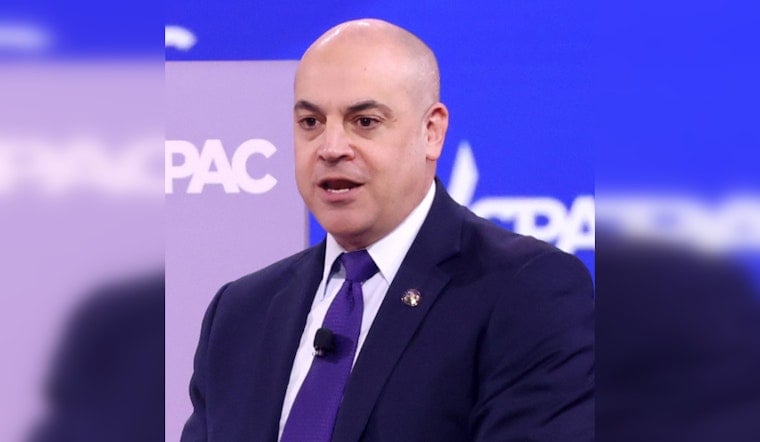
Pennsylvania Attorney General Dave Sunday is suiting up with nearly every other state in the country in a bid to choke off one of the scammer’s favorite weapons: robocalls that hide behind legitimate phone numbers. Sunday and a bipartisan army of attorneys general are urging the Federal Communications Commission to shut a loophole that lets bad actors buy and endlessly rotate real numbers, a trick that makes their calls look trustworthy while they target Pennsylvanians. The effort ties state crackdowns to a national rulemaking push that would put more of the burden on telecoms and number resellers to know who they are selling to.
This is the second phase of a sweeping enforcement campaign dubbed Operation Robocall Roundup, and state investigators are now zeroing in on bigger voice carriers they say let heavy volumes of illegal calls move across their networks. As outlined by the Pennsylvania Office of the Attorney General, the task force has trained its sights on Inteliquent, Bandwidth, Lumen and Peerless and says earlier warning letters have already had an impact. According to the office, that first round of pressure knocked dozens of suspect providers out of routing tables and pushed some companies to drop high risk accounts altogether.
Consumer advocates are cheering from the sidelines. CBS Pittsburgh quoted Kate Sullivan, CEO of the Better Business Bureau of Western Pennsylvania, saying, "Robocalling is just faster and more aggressive than it's ever been." Sunday told the station that "you have individuals that will purchase maybe 100,000 different phone numbers" to stay one step ahead of enforcement. The report noted that 49 attorneys general have now formally pressed the FCC to toughen its rules, with the goal of cutting scammers off at the source and making it easier to trace illegal traffic when it does slip through.
Federal rule changes on the table
At the federal level, the FCC has floated changes that would widen certification and disclosure requirements so that any company receiving access to telephone numbers, including resellers, would have to register and identify its customers. That proposal, laid out in the Commission's Notice of Proposed Rulemaking and published in the Federal Register, would effectively drag resellers under the same transparency rules that already apply to larger carriers, the Federal Register shows. State attorneys general have responded with formal comments and a joint letter nudging the agency to move quickly and adopt tougher numbering rules, according to the New York Attorney General's office.
Scale and stakes
The numbers explain why officials sound so impatient. Americans were hammered with tens of billions of robocalls last year, and government watchdogs and industry trackers say high volumes of junk traffic continue to punch through existing filters. The Associated Press reports that YouMail's Robocall Index logged more than 50 billion robocalls in 2025, a staggering figure that helps explain why states are demanding stronger, faster enforcement tools. Financial losses from phone and text scams run into the hundreds of millions of dollars each year, giving prosecutors ample political cover as they push the FCC to lock in new protections.
What consumers can do
For everyday Pennsylvanians, the advice is not glamorous but it still matters: let sketchy calls roll to voicemail, do not hit any buttons on an automated call from an unknown number, and report what you see. As CBS Pittsburgh notes, the Better Business Bureau and attorneys general recommend letting suspected robocalls ring through to voicemail and filing complaints with watchdogs. Scam reports can be submitted to the Federal Trade Commission at ReportFraud.FTC.gov, and the Pennsylvania Office of the Attorney General offers both a Do Not Call registry sign up and an online complaint form for residents.
State lawyers say the endgame is to combine federal rule changes with on the ground enforcement so that costly fixes happen faster. The FCC has opened the door for public comment on its proposals and can finalize new rules after the notice and comment process. The agency has also said it values input from state leaders as it weighs numbering and disclosure changes that could make it far tougher for scammers to scoop up disposable blocks of numbers, the Federal Register confirms.





