

























































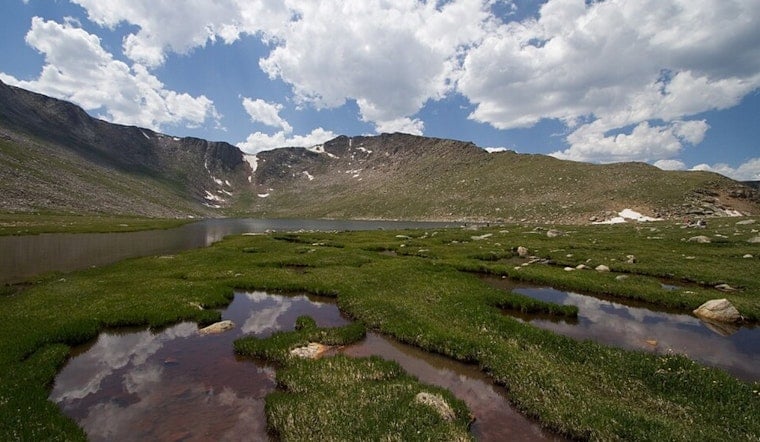
On a blazing 90-degree day, that cliffside plunge into a mountain lake feels like peak Colorado. It can also be a shortcut to real trouble. Sudden immersion in near-freezing water can trigger a powerful reflex that leaves even strong, confident swimmers gasping, panicked, and unable to move their arms or legs. With summer crowds surging into Colorado's high-country reservoirs, safety officials are renewing their warnings about a risk most people never see coming.
How cold-water shock works
Cold-water shock is the body's snap reaction to rapid skin cooling. It can trigger an uncontrollable gasp, rapid breathing, a sharp spike in heart rate and blood pressure, and muddled thinking, often within the first two to three minutes in the water, according to the National Weather Service. The agency notes that cold shock can be just as intense in water between 50°F and 60°F, and that some symptoms may kick in in water as warm as 77°F.
The longer someone stays in, the more their core temperature drops. Hypothermia begins when core body temperature falls below 95°F, which brings further physical and cognitive decline, according to the Centers for Disease Control and Prevention.
Local readings show the danger this summer
Recent surface temperature readings back up the concern. As reported by the Denver Gazette, Lake Pueblo's surface was estimated in the low 70s on July 17, while Dillon Reservoir was sitting in the low to mid 60s, which is cold enough to trigger cold-water shock for some people.
At higher elevations, snowmelt runoff and deep thermoclines mean surface readings can hide even colder layers just a few feet down. So that inviting, sun-warmed top layer can turn into a literal shock to the system the moment you dive a bit deeper.
Who is actually at risk
Being a strong swimmer does not make you immune. When it comes to cold water, insulating body fat and total surface area matter more than how fast you can complete a lap. Public health guidance notes that the rate of cooling and survival times vary by body size, body-fat percentage, and protective clothing, and that slow, repeated exposure to cold is the only reliable way to blunt the shock response.
Health Canada guidance lays out these factors and breaks down the stages of cold-water immersion, from the initial gasp to loss of muscle control.
Steps to stay safe on Colorado lakes
Officials keep coming back to the basics: wear a U.S. Coast Guard-approved life jacket, dress for the water temperature with a wetsuit or drysuit when conditions call for it, and ease into cold water instead of jumping or cannonballing straight in.
The National Weather Service and Coast Guard recommend using the Heat Escape Lessening Position, often shortened to H.E.L.P., and stress that flotation buys time even when it cannot stop the cardiovascular strain of cold shock. The National Weather Service notes that life jackets improve survival odds but do not prevent the cardiac effects or hypothermia that can follow immersion.
Local operators add a Colorado-specific twist. Denver Water reminds visitors that some reservoirs, including Dillon, stay cold all summer and have swimming restrictions for safety reasons. Denver Water urges people to treat reservoir visits as boating or fishing trips, not as beach days.
What to do if someone goes under
If you see someone struggling in the water, trained rescuers say to follow the classic order of rescue: reach, throw, row, then go. In other words, try reaching with an object, throwing something that floats, or using a boat before you even think about getting in yourself.
That sequence sits at the core of modern water-rescue training because untrained swimmers who attempt hands-on rescues often become victims too. American Red Cross materials and rescue doctrine recommend using flotation aids and calling emergency services instead of entering cold water without proper protection.
So before your next lake day, check water temperatures and park rules, put a life jacket on anyone in a boat or on a board, and think twice before you leap headfirst into that tempting alpine blue. A few cautious habits can be the difference between a refreshing dip and a full-scale rescue response.





