

























































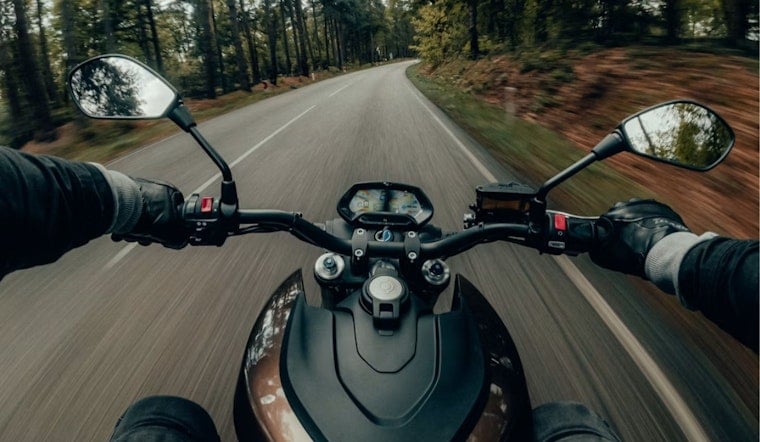
Colorado teens who want to hop on a motorcycle will soon need more than a willing adult at the DMV. A new state law signed by Gov. Jared Polis will require written permission from a parent or legal guardian before anyone under 18 can get a motorcycle instruction permit. The measure, publicly linked to Rep. Brandi Bradley’s emotional account of her son’s near-fatal crash last September, takes effect on Aug. 12. Backers say it puts the final safety call back in parents’ hands and closes a loophole that had allowed other adults to sign off for minors.
What the law requires
Under the law, a minor must present written permission from a parent or legal guardian before the Division of Motor Vehicles can issue a motorcycle instruction permit. Emancipated minors are exempt, according to the Colorado General Assembly. The bill moved through the House and Senate, including all committee hearings, with virtually no opposition and was formally enrolled as an act after Polis signed it. Session laws list Aug. 12 as the effective date for the new requirement.
The crash that inspired the bill
Lawmakers repeatedly pointed to the case of Michael Cole Bradley, the son of Rep. Bradley, as the human face of the policy change. On Sept. 11, 2025, he was involved in a high-speed collision that left him with dozens of fractures and severe internal injuries, as reported by the Denver Gazette. A Douglas County report cited in that coverage says Bradley T-boned an RV while traveling about 72 mph in a 45-mph zone, and deputies later went to the hospital to deliver a summons to the family. Bradley told colleagues he had obtained a motorcycle license and a bike without his parents’ knowledge, although the new law would not have applied to him because he was 18 at the time of the crash. The combination of devastating injuries and complex legal fallout helped solidify support for a parental-permission rule among legislators.
How families will be affected
The change tightens who can sign the Affidavit of Liability that clears a minor to get an instruction permit. Previously, any licensed Colorado driver who was at least 21 could sign for the teen. Under the new law, that role is generally limited to a parent or legal guardian. Colorado’s DMV already requires minors to appear with an adult to sign forms such as the DR-2460 affidavit when applying for an instruction permit, and under the revised rules, clerks, riding schools and dealerships will need to verify that the signer is actually a parent or legal guardian, according to the Colorado DMV. Families should be prepared to bring proof of guardianship or parental status to DMV appointments or when enrolling in motorcycle training.
Legal implications
Public records and reporting indicate that the Douglas County Sheriff’s Office compiled a 71-page report on the Bradley crash, and that some charges connected to the incident were later dismissed under plea agreements, while a separate high-speed citation ended in a guilty plea and fine, according to the Denver Gazette. The new statute does not change past criminal cases. Instead, it alters administrative rules for who is eligible to receive instruction permits and shifts where the state looks for consent documents when minors seek to learn to ride.
Why it matters
State transportation data show motorcycle deaths have spiked in recent years. Colorado recorded 165 motorcyclist fatalities in 2024, the highest number on record, a trend supporters cite when calling for tighter oversight, according to the Colorado Department of Transportation. Supporters argue the parental-consent requirement will make it more difficult for teens to quietly gain access to powerful bikes and will give families a clear way to block instruction permits. With the law set to kick in on Aug. 12, 2026, DMV offices and training providers now have a relatively short window to update procedures and alert customers to the new paperwork rules.





