

























































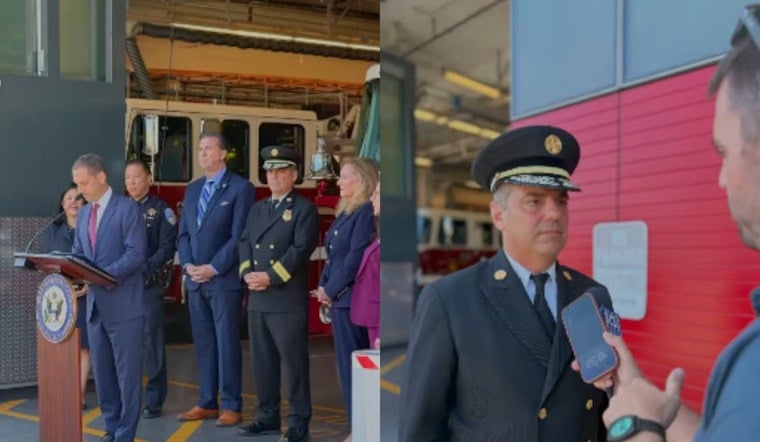
Yesterday, Rep. Kevin Mullin rolled out a federal bill that would force autonomous-vehicle companies to get serious about emergencies, requiring written response plans, a 24/7 hotline for public officials and national safety standards so driverless cars do not stall out in front of fire engines or block medics. The measure is a direct response to a string of San Francisco incidents in which frozen robotaxis have clogged intersections or boxed in first responders, and supporters say clear rules, plus a single number to call, could trim crucial minutes off response times.
What the Bill Would Require
According to the San Francisco Fire Department, the AV Emergency Response Coordination Act would compel AV operators to adopt clear emergency protocols, run a round-the-clock hotline for public-safety officials and follow national technical standards so their vehicles do not jam up active scenes. The department also highlighted the need for rules that allow fire and police personnel to request on-site assistance or remote overrides when a vehicle is stuck and blocking the way. As the SFFD noted, Deputy Chief Dean Crispen has labeled the bill a top priority for protecting crews and the public; San Francisco Fire Department Media published the statement.
Rep. Kevin Mullin has introduced the AV Emergency Response Coordination Act — legislation that would require autonomous vehicle companies to establish clear emergency protocols, a 24/7 hotline for public officials, and national safety standards so AVs don’t get in the way when… pic.twitter.com/pO3TdQyyNZ
— SAN FRANCISCO FIRE DEPARTMENT MEDIA (@SFFDPIO) July 28, 2026
Local Incidents Pushed Urgency
San Francisco’s rocky relationship with robotaxis has been a major driver behind the call for federal rules. robotaxis blocking bike lanes and stalling in traffic have been documented, and riders have described being trapped while vehicles sat frozen in place. Fast Company reported that city agencies at times spent long stretches on hold trying to reach AV operators during outages, delays that officials say made it harder to manage emergencies.
How It Fits With State Rules and Federal Oversight
California has already begun formalizing how first responders handle AV fleets through AB 1777 and updated DMV regulations that require companies to respond to emergency geofencing messages and keep their contact plans up to date, as discussed in recent hearings covered by CalMatters. At the federal level, any nationwide standards would likely flow through the National Highway Traffic Safety Administration, which outlines its automated-vehicle oversight and safety guidance on NHTSA.
What Happens Next
For Mullin’s proposal to become law, it will need formal introduction in the House, a committee assignment, hearings and floor votes, a path that could stretch for months. Mullin has staked out this territory before with AV legislation, including the AV Safety Data Act he unveiled in July 2025 to require companies to report vehicle miles, crashes and unplanned stoppages, underscoring his ongoing focus on AV oversight; see Rep. Kevin Mullin's office for details on that earlier proposal.
Legal and Regulatory Implications
A new federal standard would raise thorny questions about how it meshes with state rules and local emergency playbooks. A nationwide requirement that AV firms run hotlines and meet technical benchmarks could spur NHTSA rulemaking and pare back the current patchwork of state approaches, but lawmakers will need to draft the bill carefully so it does not preempt key local powers or leave gray areas over who can clear blocked roadways. Cities, state regulators and AV companies are all likely to seek tweaks that balance uniform national rules with on-the-ground needs during an emergency.
San Francisco’s fire leadership, which has been vocal in documenting AV run-ins on city streets, argues the bill would close important gaps in access and communication for first responders. Local officials and AV operators will be watching as the measure moves through Congress and as more specifics on the bill text and committee path are made public.





