

























































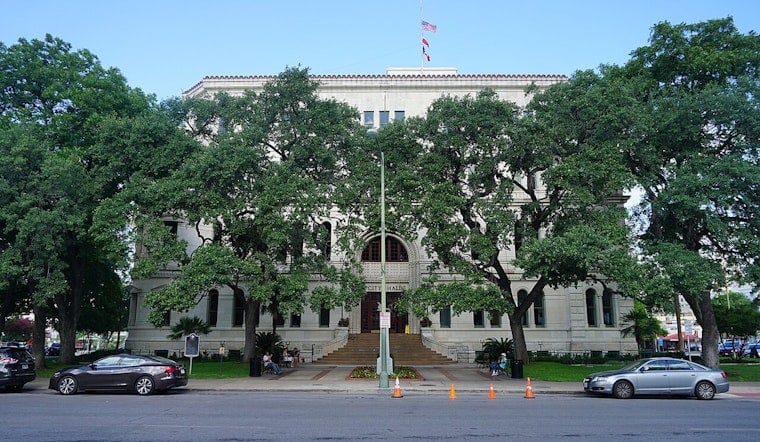
Lawmakers and veterans packed a San Antonio hearing room on Tuesday to check on how well House Bill 114 is actually working on the ground. The statewide law shifted veterans’ mental health programs out of the Health and Human Services Commission and into the Texas Veterans Commission, with the promise of faster, more targeted care. State officials told the House Defense and Veterans’ Affairs Committee that contracts are in place and transition plans are moving, but they also admitted what veterans already know: staffing is thin and rural coverage is still lagging.
According to Spectrum News 1, Rep. Philip Cortez, D-San Antonio, argued that the Texas Veterans Commission is better equipped than HHSC to handle military-specific mental health needs and said the transfer was designed to speed up access to care. He added that he plans to work with colleagues to boost TVC funding in the next legislative session. Army veteran Gilbert Lauriano, who testified before the committee, told lawmakers that consolidating services under TVC should help veterans find support sooner and from providers who understand their experiences firsthand.
What HB 114 requires
House Bill 114, passed in 2025 and effective Sept. 1, 2025, moved the Mental Health Program for Veterans and the Texas Veterans and Family Alliance grant program from HHSC to the Texas Veterans Commission. It also ordered a statewide suicide prevention action plan and annual reports. These responsibilities and program pieces, including peer support, training, and technical assistance, are laid out in the Texas Legislature bill text.
Staffing gaps across rural Texas
The legal transfer, however, has not solved the old problem of not enough people doing the work. As reported by Spectrum News 1, Brenda Keller, director of veterans’ mental health at TVC, told lawmakers that while contracts have successfully shifted over, the agency currently has 57 peer-to-peer coordinators and only six rural health counselors to cover the entire state. Those rural counselors are clustered in East and South Texas, and Keller said, “we could use three times as many of them, for sure.”
The House Research Organization has separately warned that access to the Military Veteran Peer Network remains a concern. It noted that HB 1965 would require a study of how to expand certified peer coordinators in rural areas, with the results due to the Legislature by December 1, 2026.
Funding and next steps
The Legislative Budget Board estimated that about $27.9 million in General Revenue tied to the affected programs would follow them to the Texas Veterans Commission. In its fiscal note on HB 114, the LBB broke that out as $3.956 million for the Mental Health Program for Veterans and $10 million for the grant program, for an ongoing cost of about $13.956 million per fiscal year beginning in FY 2026. With so few counselors still serving huge regions, lawmakers at the hearing signaled that how much money is available, and how it is used to recruit and retain staff, will determine whether the transfer actually improves care statewide.
The House Defense and Veterans’ Affairs Committee said it will keep monitoring how HB 114 is implemented and will review TVC’s annual reports and the suicide prevention action plan as they come in. Veterans and advocates who testified made it clear they will be tracking whether future funding turns into real help on the ground, particularly in West Texas and other areas that have been underserved for years.



.jpg)