

























































Inmate William Doughtie has been denied parole and will wait five more years for another shot at release, after the California Board of Parole Hearings rejected his bid at a suitability hearing this week, according to a Facebook post from the Sacramento County District Attorney's Office. Prosecutors opposed his release, labeled Doughtie a child sex predator and said the Board's decision came following his scheduled parole hearing.
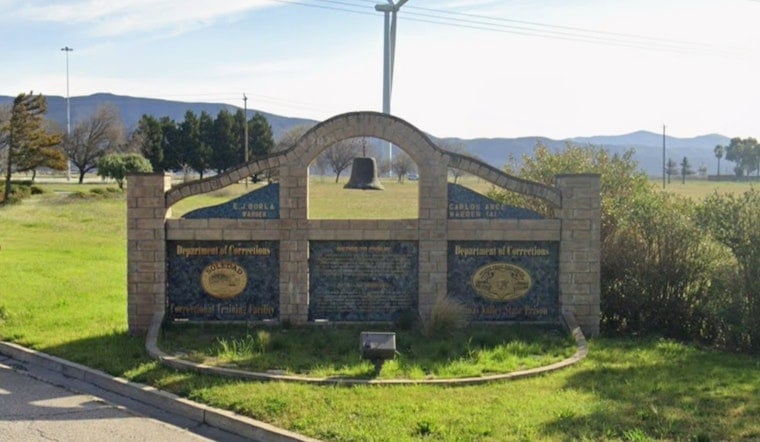
The Board's publicly posted July calendar lists DOUGHTIE, WILLIAM M (CDC# V71863) for a Subsequent Suitability Hearing at the Correctional Training Facility on July 14, conducted by video conference and assigned to Panel B, with Sacramento identified as the county of commitment, according to the Board of Parole Hearings' July calendar.
In its Facebook update, the Sacramento County District Attorney's Office said the Board denied parole, imposed a five-year deferral and would "initiate an investigation into Doughtie and his family's efforts to contact the victim." The office framed the update as an "elder parole" case and headlined the post "elder parole update: parole denied for child sex predator william doughtie," according to the Sacramento County District Attorney's Office.
How Parole Deferral Lengths Work
The Board can deny parole for three, five, seven, ten, twelve or fifteen years depending on its assessment of current risk, institutional behavior and any new information in the case. That range and the process for choosing a deferral length are outlined in the Board's public hearing handbook, according to the CDCR Parole Hearing Process Handbook, which notes that a five-year denial sets the next suitability hearing five years out unless the panel later advances the date.
Elderly Parole Context
The District Attorney's Office highlighted the case as part of California's developing "elder parole" landscape. AB-2232, enacted earlier this year, created an Elderly Parole Program that makes certain inmates eligible for review once they are 50 or older and have served at least 20 years, according to AB-2232. The law offers a pathway to a hearing but leaves the Board with full discretion to deny parole and impose multi-year deferrals if it finds a continuing public safety risk.
The Board's five-year denial in Doughtie's case means he will not receive another formal parole review for at least five years unless the Board advances the hearing date or circumstances change. The Sacramento County District Attorney's Office Facebook post is the most recent public update on the case.




