

























































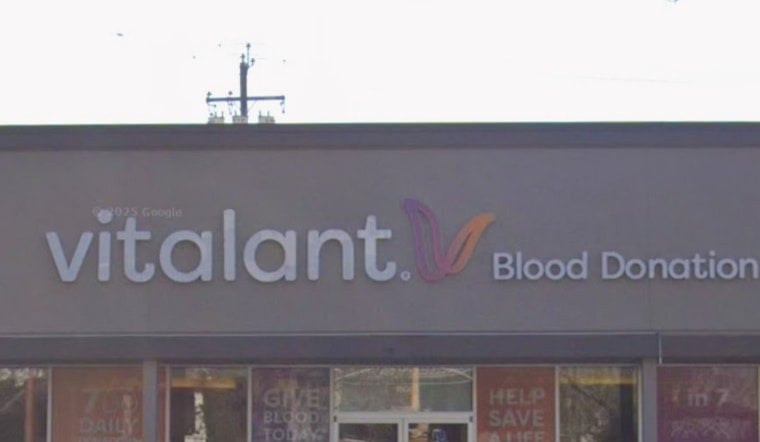
On Saturday, Sacramento County Sheriff Jim Cooper spent part of his day hooked up to a collection bag, donating blood at a Vitalant center alongside Lieutenant Vernon. In photos the sheriff posted, he warned that hospital blood inventories in the region had slipped to roughly two days of supply, about half the more comfortable four-to-five-day level, and urged residents, especially those with type O blood, to step up and donate.
Cooper’s Post And The Appeal
In a Facebook post on Saturday, the sheriff’s office shared photos of Cooper and Lieutenant Vernon in the donation chairs and reminded readers that "one blood donation can help save multiple lives" and that the donation process typically takes about an hour, according to the sheriff's Facebook post. Staff are shown assisting donors, putting some visuals behind the sheriff’s push to get more Sacramento-area residents into the centers.
Vitalant Warns Stocks Are Low
According to The Sacramento Bee, Vitalant typically aims for about a four-day blood inventory but was down to roughly two days in early July, with type O units particularly stressed. The Bee reports that the shortfall lines up with a familiar summer pattern, when holiday travel and other seasonal distractions tend to pull regular donors away from the appointment books.
How You Can Help
Appointments can be made through Vitalant or by calling 877-258-4825 to find available times and nearby centers. Vitalant operates several Sacramento locations, including the Sierra Oaks center, which lists its hours and the types of donations it collects on its local page.
Why This Matters Beyond Sacramento
Blood centers around the country have been sounding similar alarms. The New York Blood Center recently said type O reserves in its region had fallen to a two-day level, highlighting how widespread the shortfall has become, according to the New York Blood Center. Local health providers and blood banks say recovering from these dips is a slow climb that depends on sustained appointments, particularly from O-type donors who are most often called on in emergency care.





