

























































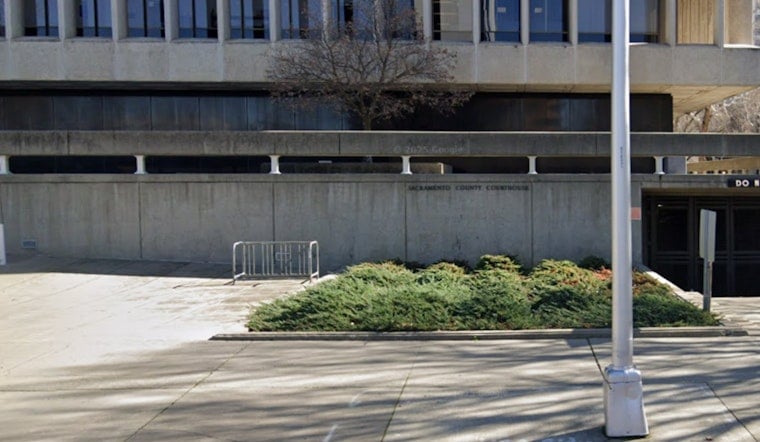
Sacramento County is hauling some of the biggest names in tobacco into court, arguing that taxpayers have been left to clean up an endless tide of cigarette butts clogging sidewalks, parks and storm drains. The lawsuit zeroes in on discarded filters as persistent plastic pollution, not a health case about smoking, and asks the companies to pay for cleanup and environmental restoration. County officials say the real casualties are local budgets and waterways that have been catching the trash for decades.
The civil complaint targets Philip Morris USA, the Altria Group, R.J. Reynolds and several other manufacturers and distributors. It seeks a jury trial, along with damages and restitution to cover cleanup and remediation costs. The Sacramento County Board of Supervisors signed off on the case, and the county says it has hired outside counsel on a contingency basis. A similar lawsuit was filed the same day by the city of Fresno, according to reporting from The Sacramento Bee.
What the complaint alleges
According to the filing, cigarette filters are made primarily from cellulose acetate, a plastic polymer that does not biodegrade and instead breaks down into tiny microplastic fibers. Those fragments can carry trapped toxins into soil and waterways. The complaint leans on research that identifies cigarette butts as a significant source of microplastics and toxic leachate, including nicotine and heavy metals. Those environmental findings underpin Sacramento County's public nuisance and product liability claims, as outlined by Frontiers in Public Health.
County's legal strategy
The county is pressing several legal theories, including public nuisance, negligence, design defect and failure to warn. It is asking a jury to award damages and restitution that would cover cleanup and related expenses tied to cigarette filter waste. Sacramento County says it has retained Kelly & Grossman LLP, McIntyre Schnieders and Justice Law Collaborative on a contingency-fee basis to pursue the case. The complaint lists a wide array of tobacco companies and distributors it says contributed to the problem and notes that several defendants did not immediately respond to requests for comment, per The Sacramento Bee.
Precedent and local context
Sacramento is not the first city to try this tactic. Baltimore filed a similar lawsuit in 2022 and has said it spends millions of dollars every year pulling cigarette butts off public property. That case, along with local debates about potential filter bans and fee programs, is part of a broader shift to treat cigarette butts as toxic product waste instead of everyday litter. Sacramento's move adds to a growing list of local governments trying to push cleanup costs back onto manufacturers instead of residents and businesses. The Public Health Law Center has been tracking these cases and the legal arguments behind them.
What to watch next
The tobacco companies are expected to come out swinging on procedural and preemption grounds. In Baltimore's case, defendants argued that the 1998 Master Settlement Agreement could limit some claims and tried to move the lawsuit into federal court. Similar early motions, including any effort to remove Sacramento's case or get it dismissed, will likely determine whether the county's environmental framing clears its first legal hurdles. In the coming weeks, corporate filings and motions will set the parameters for how far Sacramento can push its public nuisance and product liability theories. For context on those procedural fights, see reporting on the procedural fight in Baltimore's case.
For Sacramento residents, none of this means cigarette butts will disappear from streets and storm drains any time soon. What it does do is put a very common piece of plastic under a microscope and ask a pointed question: should the companies that made the product help pay to clean up the mess it leaves behind? The case is still in its early stages, and the next rounds of filings will show whether the courts embrace the county's environmental theory or steer the dispute toward more traditional settlement talks and regulatory debates.





