

























































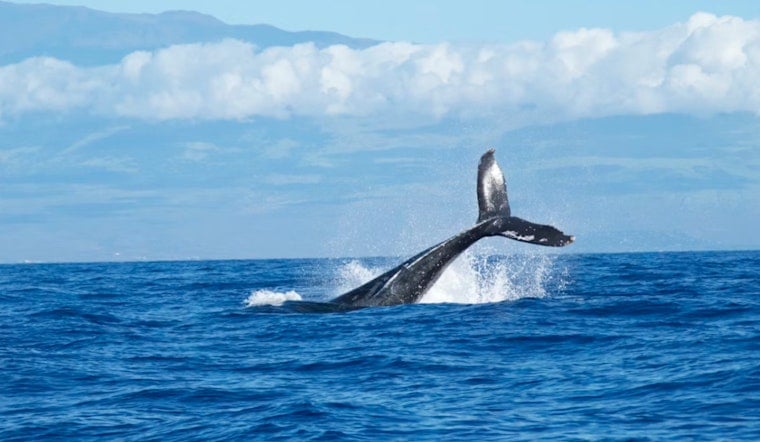
Pop Tart, one of the Salish Sea’s better-known humpbacks, is back to swimming clean after a multi‑day, cross‑border rescue operation that had whale crews on edge. First spotted last Thursday with fishing gear wrapped around a pectoral fin, the whale was tracked for several days before responders finally confirmed on Wednesday that she was clear of all lines and buoys. Local whale‑watch vessels and Canadian marine teams stuck with her through fog and rough seas so trained responders could finish the job.
Rescue timeline
According to FOX 13 Seattle, the trouble started when an Orca Spirit Adventures crew spotted Pop Tart dragging gear and radioed it in. Fisheries and Oceans Canada responders used a drone to confirm a rope more than 30 metres long attached to a buoy, then added a tracking float so the whale could be found again once conditions improved. By Wednesday, DFO officials used another drone flight to verify that Pop Tart was no longer trailing any ropes or buoys, setting off a round of cheers from the crews that had been shadowing her.
Cross‑border coordination
Puget Sound Express and Outer Island Excursions took turns babysitting the whale, while multiple boats from the Pacific Whale Watch Association helped track her as she moved across the Strait of Juan de Fuca. An Eagle Wing Tours vessel finally spotted Pop Tart east of Race Rocks around 11 a.m. on Wednesday and stayed nearby until DFO responders could confirm she was clear of gear. “Entanglement in fishing gear is one of the greatest threats to humpback whales,” PWWA executive director Erin Gless said, a point noted by FOX 13 Seattle.
Why entanglements are dangerous
When a whale gets tangled, the lines can cause deep abrasions, restrict movement and interfere with feeding, all of which chip away at its odds of survival and successful reproduction. NOAA Fisheries notes that entanglement is a leading cause of serious injury and death for large whales, and that trained response networks either attach floats or attempt to cut gear away when it is safe to do so. Scientists say quick reporting, better gear‑marking and close coordination with fishers are key tools for reducing risks to both whales and people.
What’s next
Exactly how Pop Tart got snagged, and where the gear came from, remains an open question, and investigators say tracing lost or derelict gear is often a tough task. Fisheries and Oceans Canada urges mariners and fishers to report entangled whales and lost gear through its 24/7 Observe, Record and Report line so crews can mobilize quickly. Officials credited the sharp eyes of whale‑watch operators and the use of a tracking buoy for turning this case into a success story, while cautioning that not every entangled whale is as fortunate.
Pop Tart, identified by whale‑watch crews as the 2016 calf of the well‑known “Big Mama,” has become a favorite among local boat crews, and guests reportedly celebrated when she finally appeared free of gear. The episode underscores both the growing presence of humpbacks in the Salish Sea and the ongoing need to keep a close watch on fishing gear and marine debris.


