

























































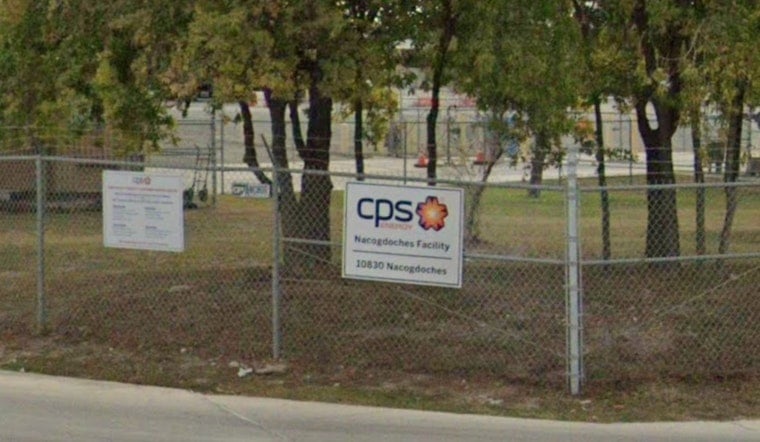
CPS Energy is quietly muscling up its stake in the South Texas Project nuclear station and eyeing much smaller "microreactors" as a long game. The San Antonio owned utility is working to close an approximately $80 million purchase that would add about two percentage points to its share of the two unit Bay City plant, while also studying small modular reactors for possible deployment in the late 2030s as demand keeps climbing.
What CPS Is Buying And Why It Matters
The pending transaction would lift CPS Energy’s ownership of the South Texas Project to roughly 42% and add about 52 megawatts of carbon free, dispatchable capacity. It builds on an earlier agreement to buy an additional 200 megawatts of output from the plant.
According to CPS Energy’s FY2026 financial statements, the utility reached a May 2024 agreement to acquire an additional 2% stake and expects the transfer to close in calendar year 2026, pending regulatory approvals. The same filings also record the prior expansion of its STP share and the separate 200 megawatt purchase.
About The Plant And Who Owns It
The South Texas Project Units 1 and 2 sit near Bay City and are operated by the South Texas Project Nuclear Operating Company. According to Constellation Energy and the plant operator’s website, ownership of STP currently centers on Constellation as the largest owner, alongside CPS Energy and Austin Energy, with the pending transaction set to move CPS’s stake higher and leave Austin Energy with a smaller, unchanged share.
Microreactors: A Longer Term Play
CPS’s chief strategy officer, Elaina Ball, told the San Antonio Express-News that nuclear "hits sort of the trifecta" of reliability, affordability and cleaner power. She said the utility is exploring microreactors while planning to wait until the late 2030s to deploy them so it can benefit from expected cost declines.
Microreactors and small modular designs, typically measured in tens to a few hundred megawatts, are pitched as faster, lower upfront cost options compared with traditional gigawatt scale reactors. The catch is that none of the commercial pathways is yet mature enough for immediate large scale deployment, something utilities like CPS have to factor into their timelines.
Federal And National Context
The federal government has started to put real financing behind a new wave of large reactors. The Department of Energy announced a conditional $17.5 billion loan commitment in June to support long lead purchases for additional AP1000 reactors and to rebuild the U.S. nuclear supply chain.
The risks of big, bespoke projects are still hard to miss. The Associated Press has documented how the recent two unit expansion at Plant Vogtle in Georgia ran roughly $17 billion over budget, pushing total capital and financing costs toward about $31 billion, an expensive cautionary tale utilities still weigh when choosing between very large reactors and smaller alternatives.
Why This Is Happening Now
The timing of CPS’s moves is tied to a much bigger demand story across Texas. ERCOT’s preliminary long term load forecast projects peak demand could climb to about 367,790 megawatts by 2032 under high growth scenarios driven largely by data centers. That surge has pushed utilities and policymakers to look harder at dispatchable, low carbon options.
ERCOT flagged that figure in April, and the state has already started backing nuclear infrastructure. The Office of the Texas Governor and the Legislature created a $350 million Texas Advanced Nuclear Development Fund to seed advanced reactor projects and supply chain work in the state.
Regulatory Checks And Community Concerns
The planned STP ownership transfer, and any future reactor deployment, must clear multiple regulatory steps and oversight. CPS’s FY2026 filings explicitly list the STP ownership transfer as a pending transaction that requires review before it closes, and federal docket activity around STP’s ownership and licenses appears in official government notices.
For critics, the trade offs are familiar. Long term waste management, safety and large capital risk remain central concerns, issues addressed in Nuclear Regulatory Commission environmental guidance and other federal studies. For now, CPS and Constellation say the move is intended to add reliable, lower emissions capacity as San Antonio prepares for years of rapid load growth and growing stress on the grid.



